What scapular pull-ups train
The scapular pull-up is a vastly underrated exercise. Everyone wants to do pull-ups, but almost nobody trains the foundation underneath them: shoulder blade control.
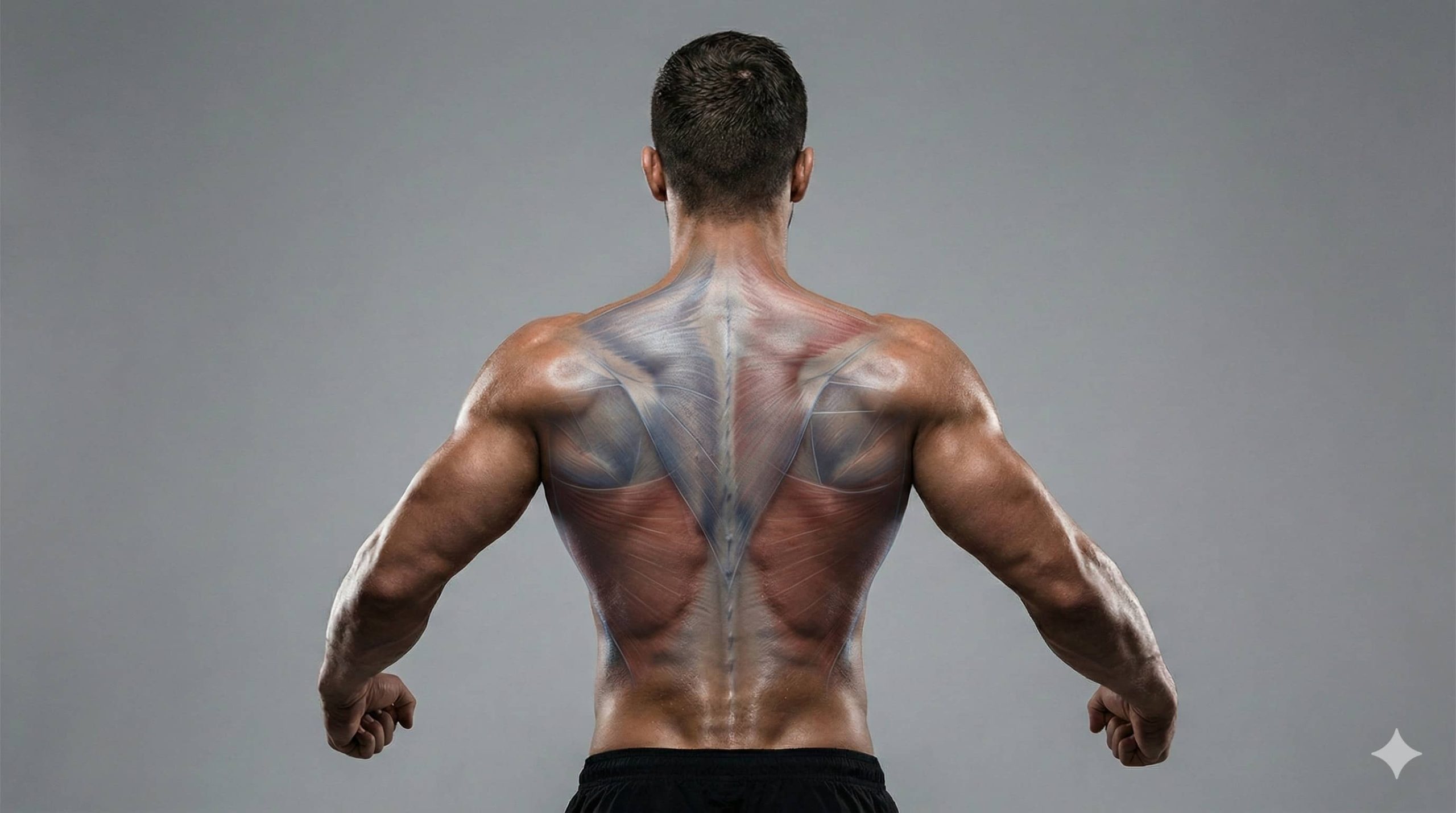
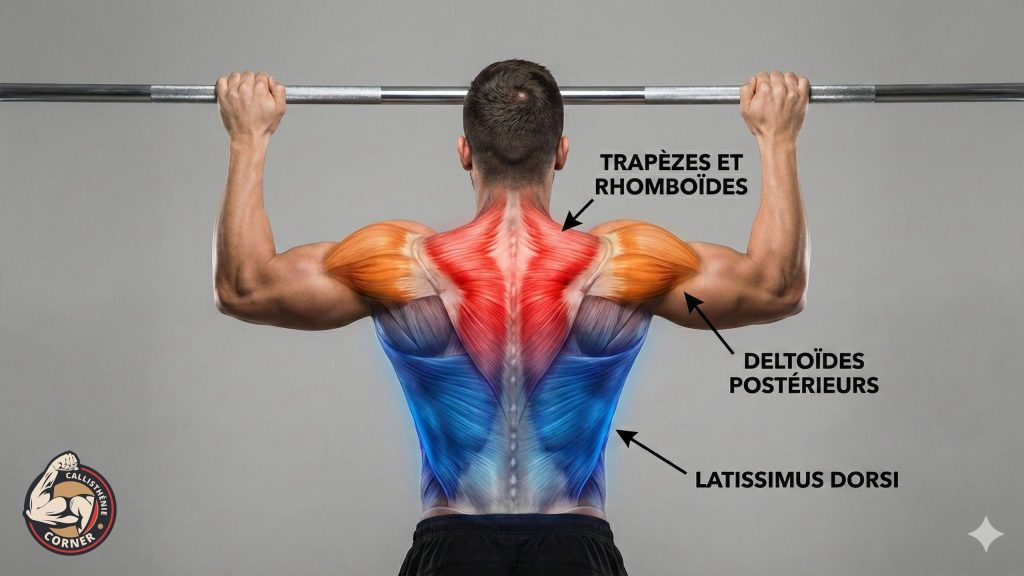
It’s the starting movement of every pull-up. Before your elbows bend, your trapezius, rhomboids and serratus anterior fire to set the shoulder blades. Skip that step and your shoulders take the strain instead.
The scapular pull-up forces you to isolate that motion. You learn to move your shoulder blades on demand, arms locked straight. The payoff: stronger shoulders, fewer aches, and cleaner activation on every pull you do.
It also pulls your posture back into line. The muscles that retract your shoulder blades are the same ones that fight a desk-rounded upper back, so training them straightens you up without you thinking about it.
Strength prerequisites
The scapular pull-up is open to almost everyone. You don’t need a single full pull-up to start.
Hanging capacity: you can hold a dead hang in a pronated grip (palms forward) for at least 30 seconds, arms fully extended, body relaxed. If 30 seconds is out of reach, build your grip first.
Shoulder mobility: in the hang, your shoulders feel free, not stiff or pinchy. Any sharp discomfort means mobility work before you load the movement.
Self-test: hang from the bar and try to drop your shoulders a few centimeters without bending your elbows. If your shoulder blades slide down and your chest lifts slightly toward the bar, you’re ready.
How to do the scapular pull-up step by step
The movement looks simple and is hard to do cleanly.
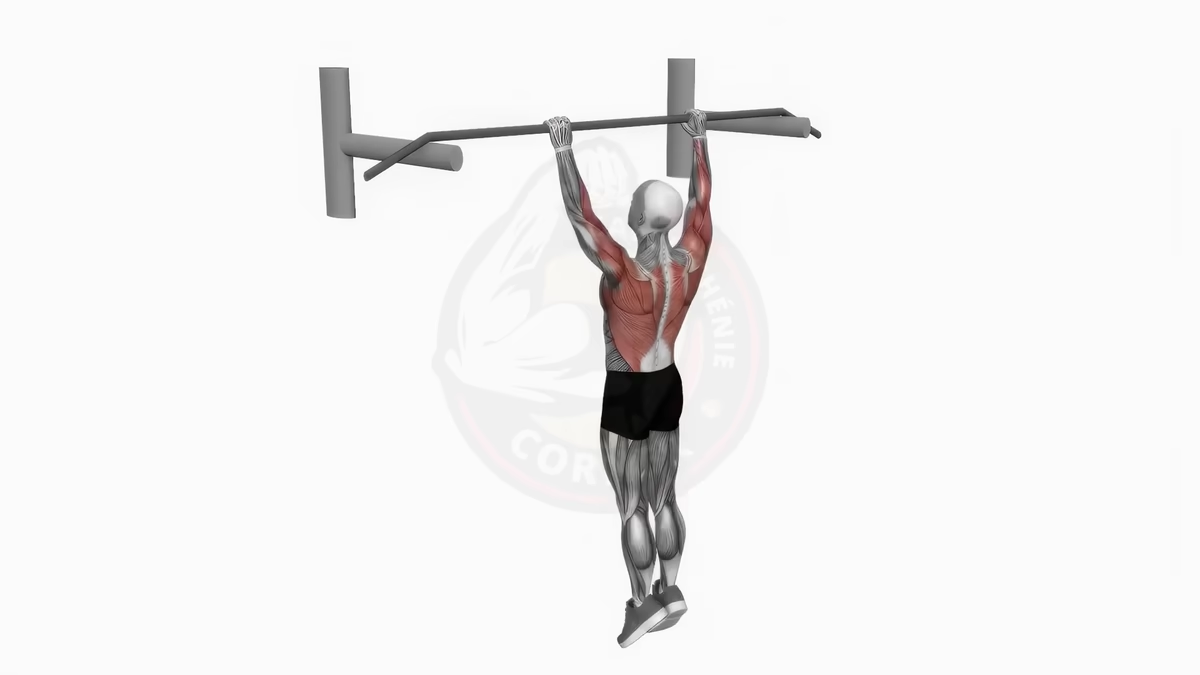
Starting position. Hang from the bar with a pronated grip, hands shoulder-width, arms locked straight. Your shoulders ride up toward your ears: this is the passive dead hang. Brace your abs and glutes lightly so nothing swings.
Retraction, the actual rep. Without bending your elbows, pull your shoulders down and back, like tucking your shoulder blades into your back pockets. Your torso rises only 5 to 10 cm. You’ve shifted from passive hang to active hang, traps and rhomboids depressing the blades. Hold the top 1 to 2 seconds.
Controlled return. Release slowly back to the dead hang. The way down is as deliberate as the way up, never a sudden drop.
Breathing. Inhale at the bottom, exhale as you retract. The breath helps lock your torso.
Common scapular pull-up mistakes
- Bending the elbows. The moment it gets hard, the elbows sneak in and it becomes a half pull-up. Keep your arms locked straight from start to finish; if you can’t, cut the reps or add a resistance band for assistance.
- Shrugging up instead of pulling down. Shoulders toward the ears is the opposite move. Create space between shoulders and ears: think back pockets, not chin.
- Using momentum. Swinging or kipping defeats the point. Every rep stays slow and strict, or you build no real stability.
- Going fully dead at the bottom. Keep a sliver of tension in the hang. Shoulders that switch off completely yank on the joint.
- Forgetting your core. A swinging pelvis or arched back leaks force. Hold a tall, vertical line with your abs and glutes on.
Variations and progressions
Once the standard rep feels controlled, push it further.
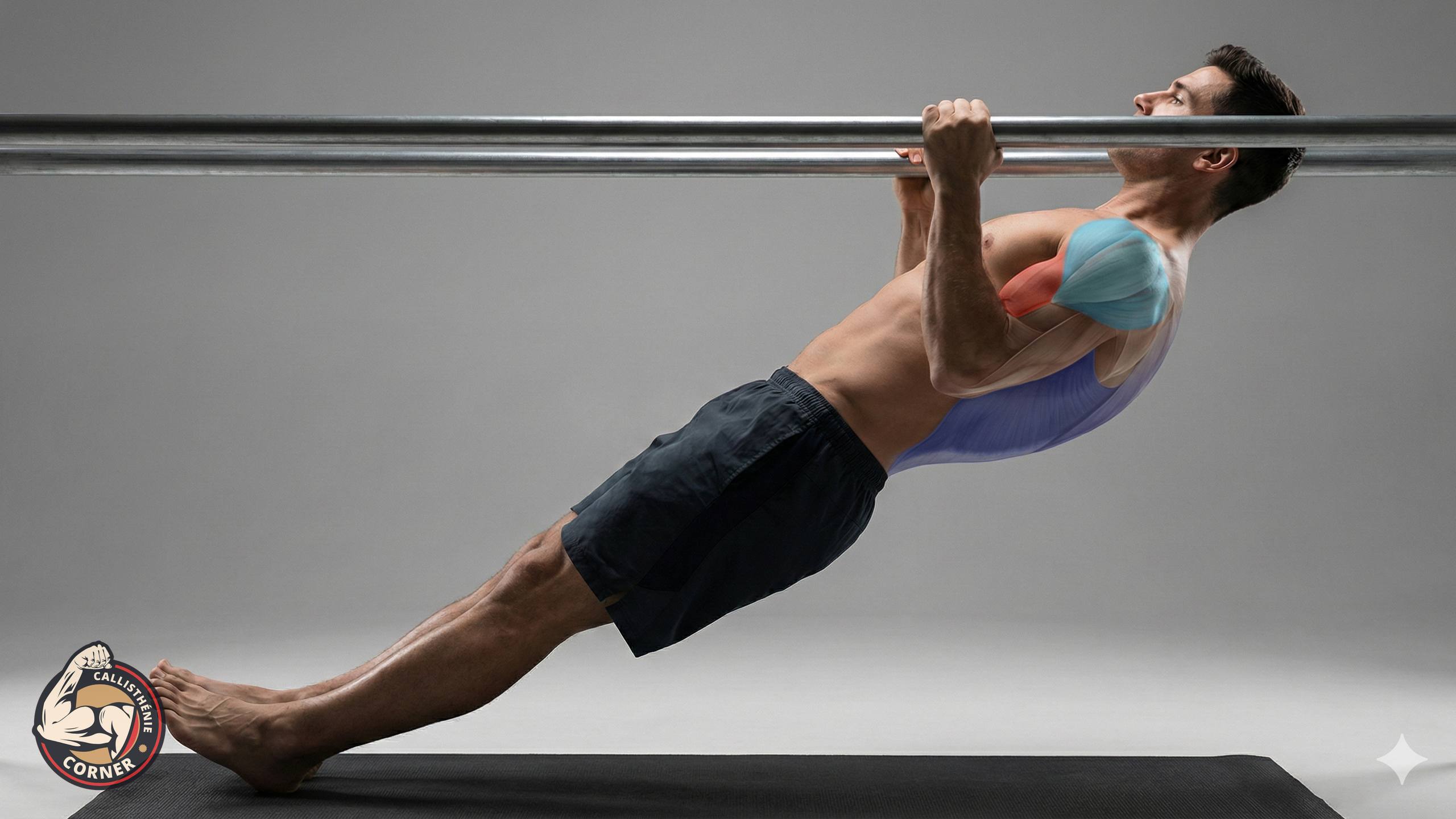
Band-assisted. Too hard at first? Loop a resistance band over the bar and rest a foot or knee in it to take load off. Australian pull-ups on a low bar build the same pulling strength before you ever hang.
Slow tempo. Three seconds up, a two-second hold, three seconds down. The longer time under tension hits the small stabilizers hardest.
Long hold. Keep the retracted top for 5 to 10 seconds before lowering. Brutal on the traps and rhomboids, and it builds real shoulder-blade endurance.
Supinated grip. Flip to palms toward you. Same mechanics, a slightly different activation angle. Rotating grips rounds out the development.
Slot in 2 to 3 short sets on most days, even rest days. The light volume keeps your shoulders mobile and strong without real fatigue, which is easy if you keep a bar at home.
What the scapular pull-up leads to
Done well, this is the first phase of every pull-up: set the blades, then bend the arms, and your pulling feels sharper straight away. That’s exactly how a structured plan uses it, with scap pull-ups in phase one before your first full rep inside the 12-week pull-up program.
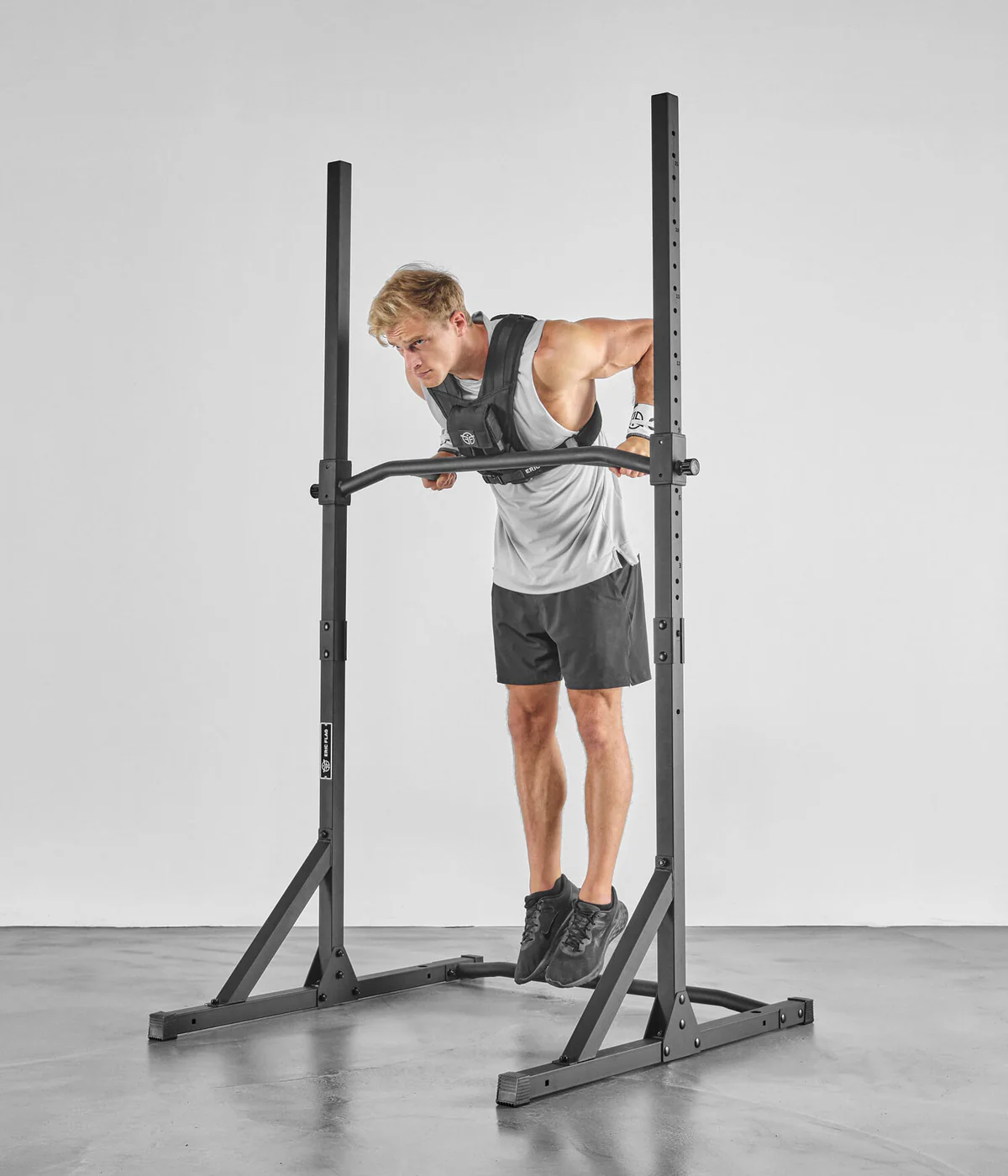
Two skills demand the same control further up the chain. The muscle-up needs total shoulder-blade command through the transition, and the front lever holds constant scapular depression from start to finish. Neither comes together without this pattern grooved first.
To balance the push side, pair it with scapular push-ups: the same blade work in the opposite direction, and together they form the base of healthy shoulders. For the rest of the upper-back toolkit, the movements sit level by level in our shoulder exercises without equipment.