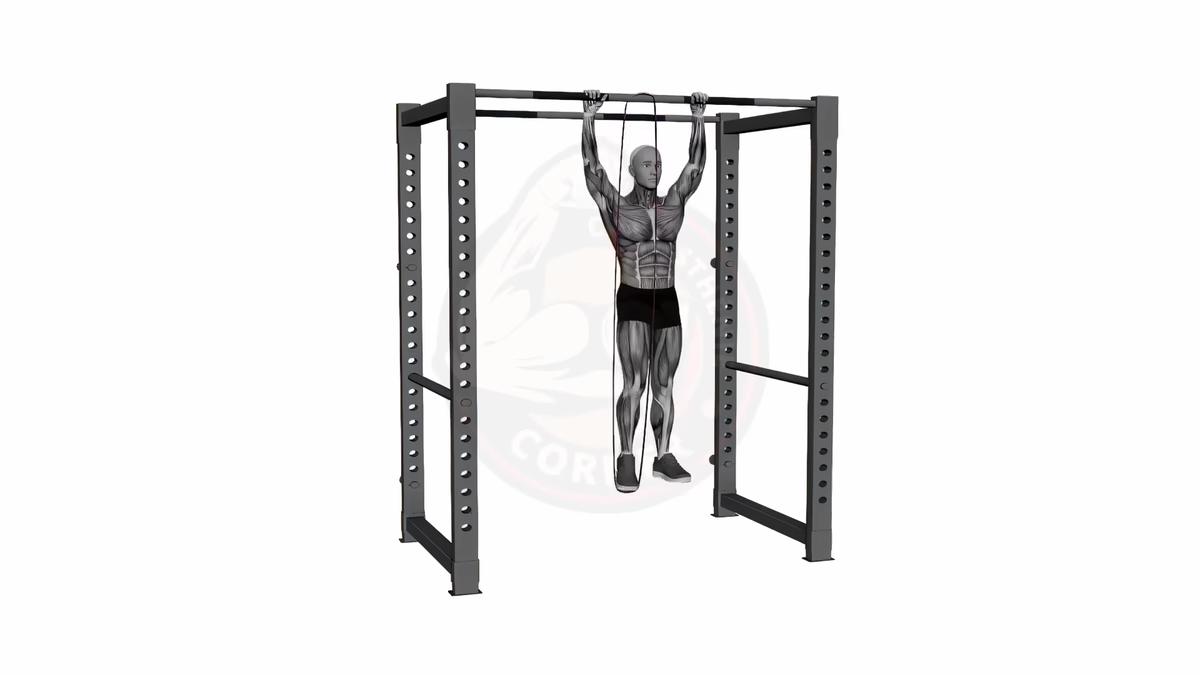
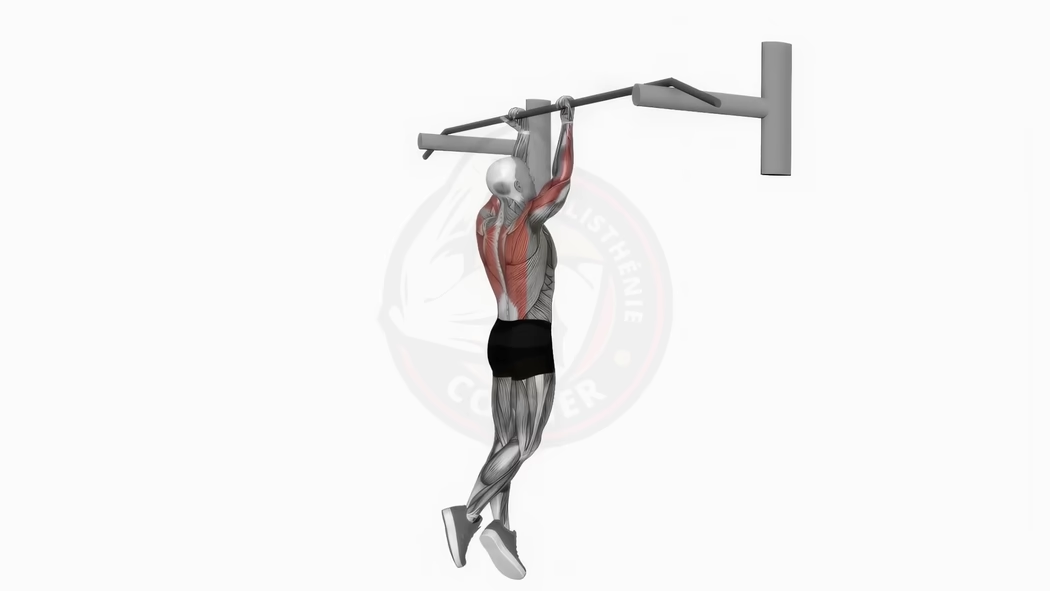
Pull-ups are some of the most effective exercises for building upper body strength and muscle mass. But between the pull-up and the chin-up, which movement should you prioritize for the best results? This guide helps you build the right foundations as you start calisthenics.
Technical differences between pull-ups and chin-ups
These two exercises look similar at first glance, but they have fundamental distinctions that influence execution and muscle engagement.
| Feature | Pull-up | Chin-up |
|---|---|---|
| Hand position | Overhand/pronated grip (palms facing away) | Underhand/supinated grip (palms facing you) |
| Grip width | Wider than shoulder-width | Shoulder-width or slightly narrower |
| Elbow angle | Elbows flare outward | Elbows tuck inward |
These technical differences significantly affect the biomechanics of the movement. The pull-up, with its wider grip, allows a greater range of motion at the shoulders and engages the back muscles more broadly.
The chin-up allows a more pronounced elbow flexion, which increases biceps engagement while targeting the lower portion of the lats.
Grip: the key difference
Hand position on the bar largely determines which muscles each exercise targets and how effectively.
Overhand grip (pull-up):
- Greater lat activation
- Better development of back width
- Increased forearm and grip strength
Underhand grip (chin-up):
- Higher biceps activation
- Targets the lower portion of the lats
- More natural movement for beginners
Your grip choice directly influences your ability to perform the exercise and the results you will achieve. For well-rounded muscle development, incorporate both variations into your training program.
Muscles targeted: pull-up vs chin-up
Both exercises recruit largely the same muscle groups, but the intensity of activation varies depending on the technique used.
| Muscle | Pull-up | Chin-up |
|---|---|---|
| Latissimus dorsi | Very strong activation | Strong activation |
| Biceps | Moderate activation | Very strong activation |
| Trapezius | Strong activation | Moderate activation |
| Forearms | Strong activation | Moderate activation |
The pull-up stands out for its ability to engage the lats and traps more intensely, making it the go-to choice for developing back width and thickness. The chin-up, on the other hand, provides superior biceps stimulation while effectively targeting the lower lats.
The role of biceps in chin-ups
The greater biceps involvement in chin-ups is explained by several biomechanical factors:
- The supinated grip places the biceps in an optimal force-generating position
- The elbow flexion angle is more pronounced, increasing the work on arm flexors
- The movement path favors a more complete biceps contraction
If your goal is to build arm mass and strength, chin-ups are a smart choice. For a complete arm training plan, see our guide to bicep exercises without equipment. For balanced development, include pull-ups in your routine as well.
Technique: pull-ups and chin-ups
Correct execution is essential to get the most out of these exercises and avoid injuries.
How to perform a pull-up:
- Grab the bar with an overhand grip, hands wider than shoulder-width
- Hang with arms fully extended, shoulders engaged
- Inhale and contract your lats to initiate the movement
- Pull your body up until your chin clears the bar
- Pause briefly at the top
- Lower yourself slowly with control
- Repeat for the desired number of reps
How to perform a chin-up:
- Grab the bar with an underhand grip, hands shoulder-width apart
- Start from a dead hang, arms fully extended
- Engage your biceps and lats to initiate the pull
- Pull up until your chin clears the bar
- Hold the contraction briefly at the top
- Lower yourself under control to the starting position
- Complete the planned number of reps
For both exercises, keep your body stable and avoid swinging. Quality of execution always takes priority over rep count.
Common technique errors
| Mistake | Consequence | Fix |
|---|---|---|
| Using momentum | Reduces muscle engagement | Control every phase of the movement |
| Not pulling high enough | Limits range of motion and benefits | Aim to get your chin above the bar |
| Dropping too fast | Neglects the eccentric phase | Lower yourself slowly over 3-4 seconds |
Correcting these mistakes will significantly improve the quality of your pull-ups and accelerate your progress.
4-week chin-up training program
Here is a concrete action plan to rapidly improve your chin-up performance:
| Week | Monday | Wednesday | Friday |
|---|---|---|---|
| 1 | 3x5 assisted chin-ups | 3x8 negative pull-ups | 3x5 assisted chin-ups |
| 2 | 4x5 assisted chin-ups | 4x6 negative pull-ups | 3x3 chin-ups |
| 3 | 3x4 chin-ups | 5x5 assisted chin-ups | 3x5 chin-ups |
| 4 | 4x5 chin-ups | 3x6 chin-ups | 5x5 chin-ups |
Complement this program with back and biceps strengthening exercises such as curls and rows. Make sure you recover properly between sessions and follow a protein-rich diet.
Progression: from beginner to advanced
Beginners:
- Australian pull-ups (horizontal rows)
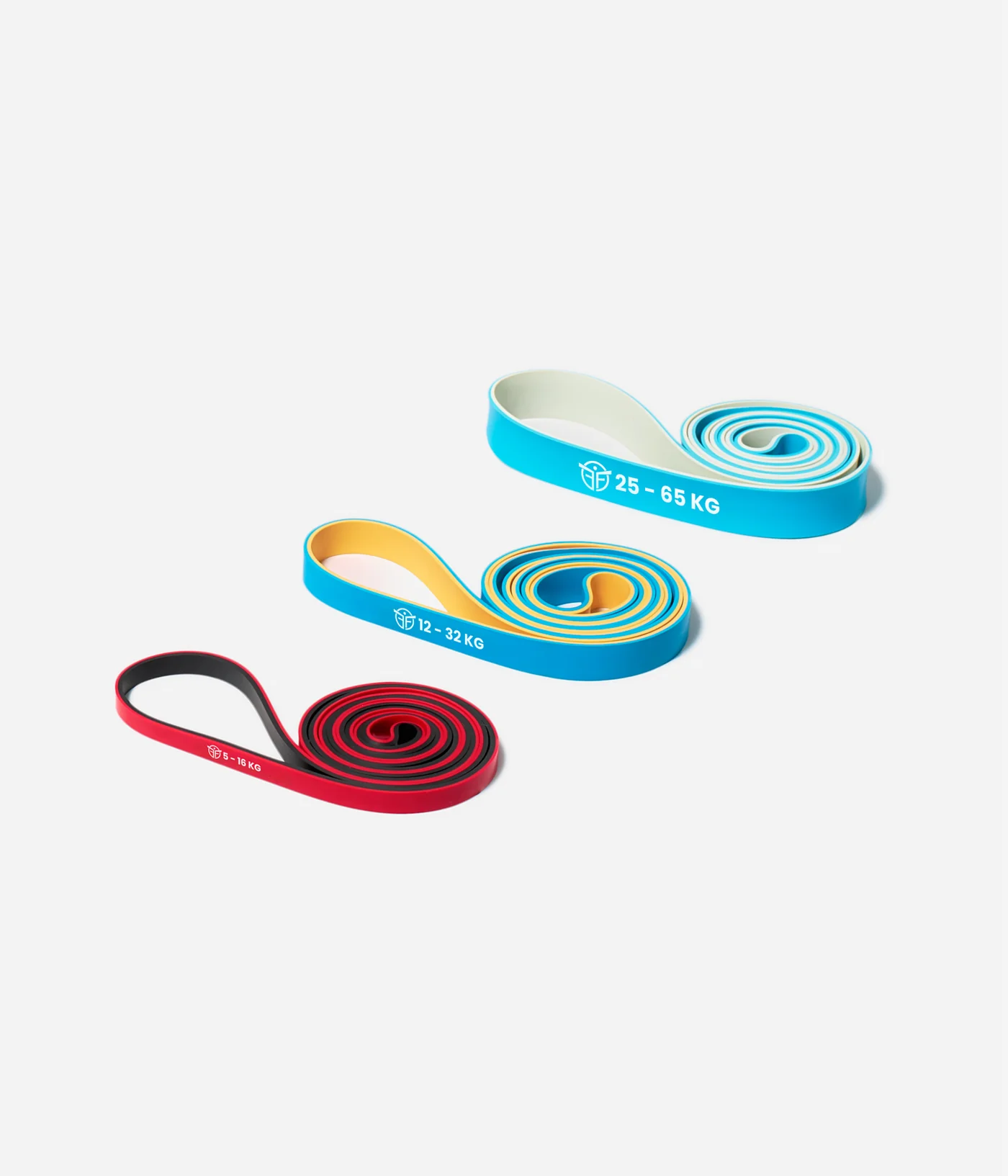
- Assisted pull-ups (resistance band or machine)
- Negative pull-ups (slow descent)
Intermediate:
- Bodyweight pull-ups
- Grip variations and width changes
- Volume increases (more sets and reps)
Advanced:
- Weighted pull-ups
- Archer pull-ups
- One-arm progressions (gradual)
The key to steady progress is consistency in training and progressive overload.
Pull-up or chin-up: which to choose based on your goals?
| Objective | Pull-up | Chin-up |
|---|---|---|
| Build back width | Excellent | Good |
| Strengthen biceps | Good | Excellent |
| Improve overall strength | Very good | Very good |
| Beginner progression | Harder | More accessible |
For optimal muscle development, include both exercises in your routine. Start with chin-ups if you are a beginner, then gradually introduce pull-ups as your strength increases.
Complementary variations
To diversify your training and target different aspects of muscle development:
- Neutral grip pull-ups (palms facing each other)
- Wide-grip pull-ups
- Arched pull-ups (emphasize the traps)
- Ring pull-ups (increased instability and core work)
What comes after pull-ups?
Once you can perform 5 clean sets of 8 chin-ups and pull-ups, you are ready for more advanced movements:
- Muscle-up: the natural evolution of pull-ups. Combines an explosive pull with a dip to get above the bar.
- Front lever: a static horizontal hold that demands exceptional pulling strength.
- Back lever: the inverted counterpart of the front lever, developing the lats from a completely different angle.
- Weighted pull-ups: add load (belt, vest) to keep building raw strength.
Pull-ups are the foundation of every pulling movement in calisthenics. Master them with solid technique before moving on to advanced skills.