Strengthening the hamstrings is essential for improving athletic performance and preventing injuries. Among the exercises targeting this muscle group, the nordic hamstring curl stands out for its remarkable effectiveness.
This guide covers everything you need to know about this must-have exercise: its benefits for health and performance, detailed technique, and how to integrate it into your training routine. Even if you’re a beginner in calisthenics, this exercise can deliver significant benefits.
The fundamentals of the nordic hamstring curl
The nordic hamstring curl (also called nordic curl or NHC) is a strength exercise that specifically targets the hamstrings. It’s characterized by an intense eccentric movement, challenging the muscles on the back of the thigh in a unique way.
Anatomy and biomechanics
The hamstrings are composed of three main muscles: the biceps femoris, the semitendinosus, and the semimembranosus. During the nordic curl, these muscles work together to control the descent of the torso toward the ground. This prolonged eccentric action is particularly effective at strengthening muscle fibers and improving their resistance to stretch.
Key benefits of the nordic curl
The nordic hamstring curl offers several advantages that make it a top-tier exercise for athletes and fitness practitioners:
- Targeted hamstring strengthening: isolates the posterior thigh muscles with high intensity.
- Eccentric strength development: builds the type of strength that protects muscles during deceleration.
- Effective injury prevention: studies show it can reduce hamstring injury risk by up to 51%.
- Sprint speed and explosive power: stronger hamstrings translate directly to faster sprints and more powerful jumps.
- Quad/hamstring balance correction: addresses the common imbalance where quads overpower the hamstrings.
How to perform the nordic hamstring curl
Correct execution is critical for maximizing benefits and minimizing injury risk. Here’s a detailed guide for performing the exercise with proper form.
Setup and safety
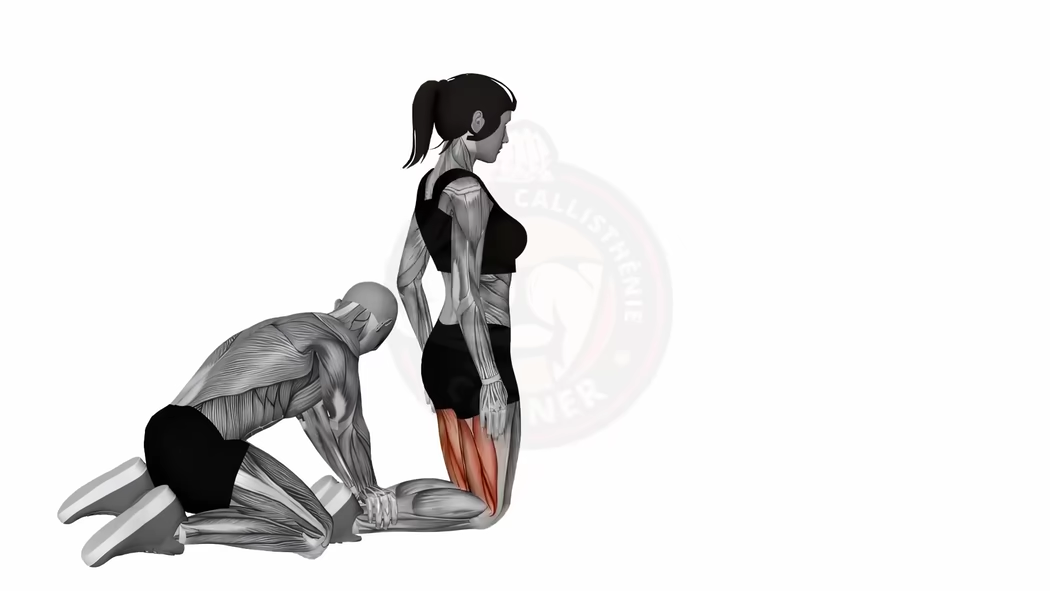
Before starting, make sure you have a stable anchor for your ankles. This can be a training partner holding your feet, a dedicated bench, a heavy piece of furniture, or resistance bands attached to a wall or stable support. Your safety and positional stability are essential for effective execution.
Movement phases and technique cues
- Starting position: kneel on the floor, back straight, hips in full extension. Your ankles must be firmly secured.
- Controlled descent: slowly lean your torso forward while keeping your back straight and hips extended. Resist gravity for as long as possible, using your hamstrings to brake the forward fall.
- Break point: when you can no longer control the descent, let your torso fall toward the floor and catch yourself with your arms (like the bottom of a push-up).
- Return to start: use your arms to push yourself back to the starting position. Advanced athletes can attempt the return without arm assistance.
- Repeat: complete the planned number of reps for your program.
Key cues to remember:
- Hips stay extended throughout the movement. Do not bend at the waist.
- The movement happens only at the knee joint.
- Keep your core braced to maintain a rigid torso.
- Control the descent for as long as physically possible on every rep.
Variations and progressions
The nordic hamstring curl can be adapted to different skill levels, from beginner to advanced athlete. Here are the main variations to customize your training.
Simplified versions for beginners
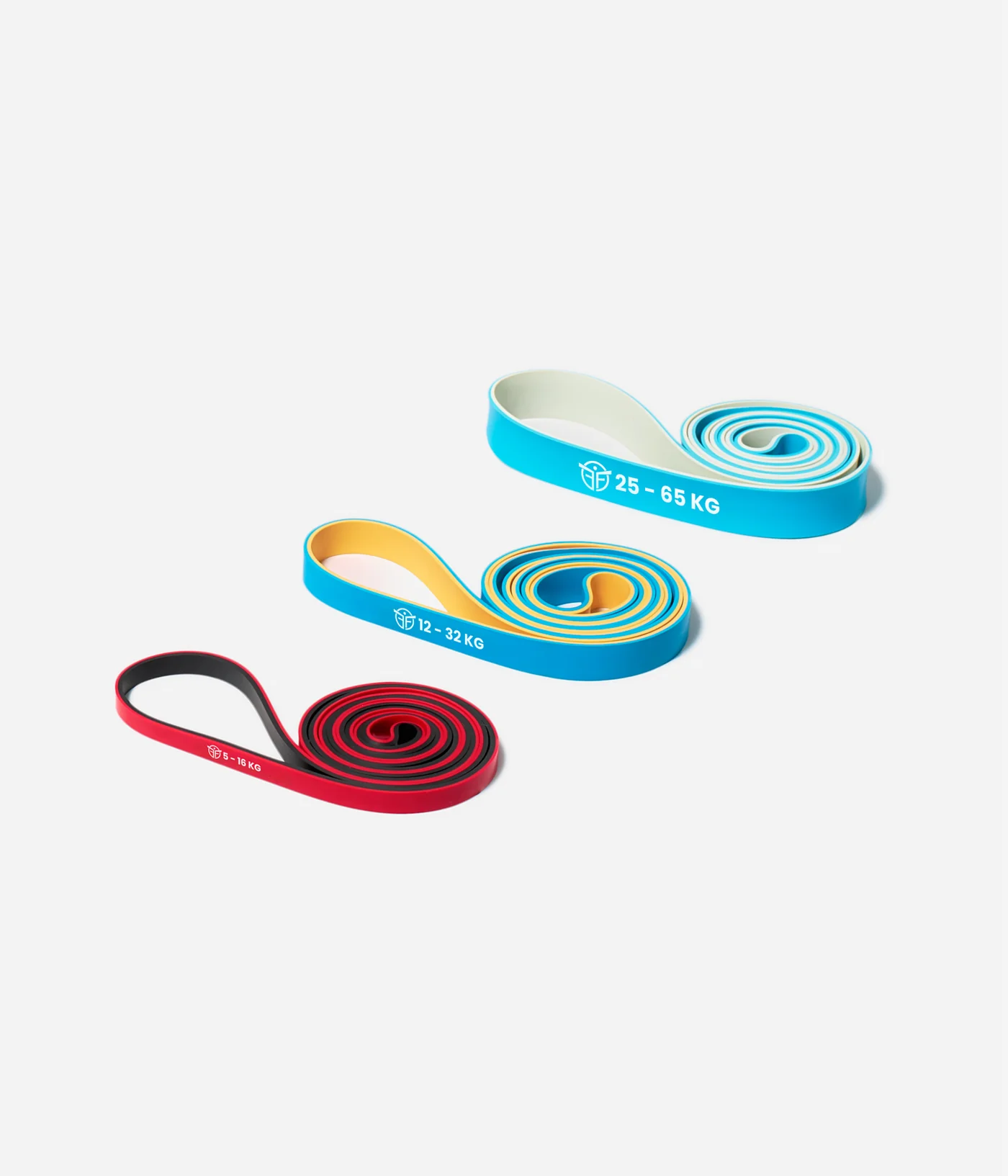
For newer practitioners, starting with adapted versions is essential. Using a resistance band attached to a fixed point can help control the descent and assist the return. Another option is to reduce the range of motion by stopping halfway through the descent. These adaptations let you progressively build the strength and technique required for the full version.
Advanced progressions
More experienced athletes can intensify the exercise in several ways:
- Increasing the full range of motion (slower, deeper descents)
- Adding weight (weighted vest or plate held against the chest)
- Performing the concentric phase (return) without arm assistance
- Executing on an inclined surface to increase difficulty
- Integrating unilateral variations to address imbalances
Programming the nordic curl
To get the most from the nordic hamstring curl, integrate it strategically into your training routine.
Frequency and volume by level
| Level | Frequency | Sets | Reps |
|---|---|---|---|
| Beginner | 2x/week | 2-3 | 5-8 |
| Intermediate | 2-3x/week | 3-4 | 8-12 |
| Advanced | 3x/week | 4-5 | 10-15 |
Start at the beginner level regardless of your overall fitness, and increase volume progressively over several weeks. The eccentric load is intense, and your hamstrings need time to adapt.
Combining with other exercises
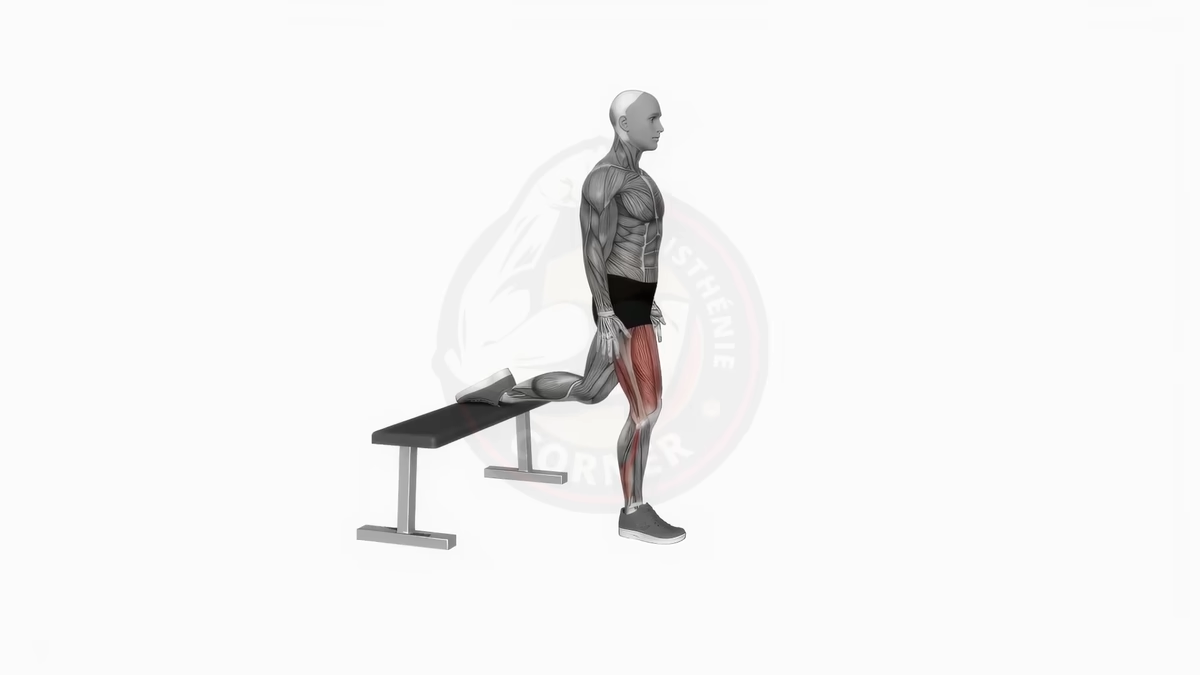
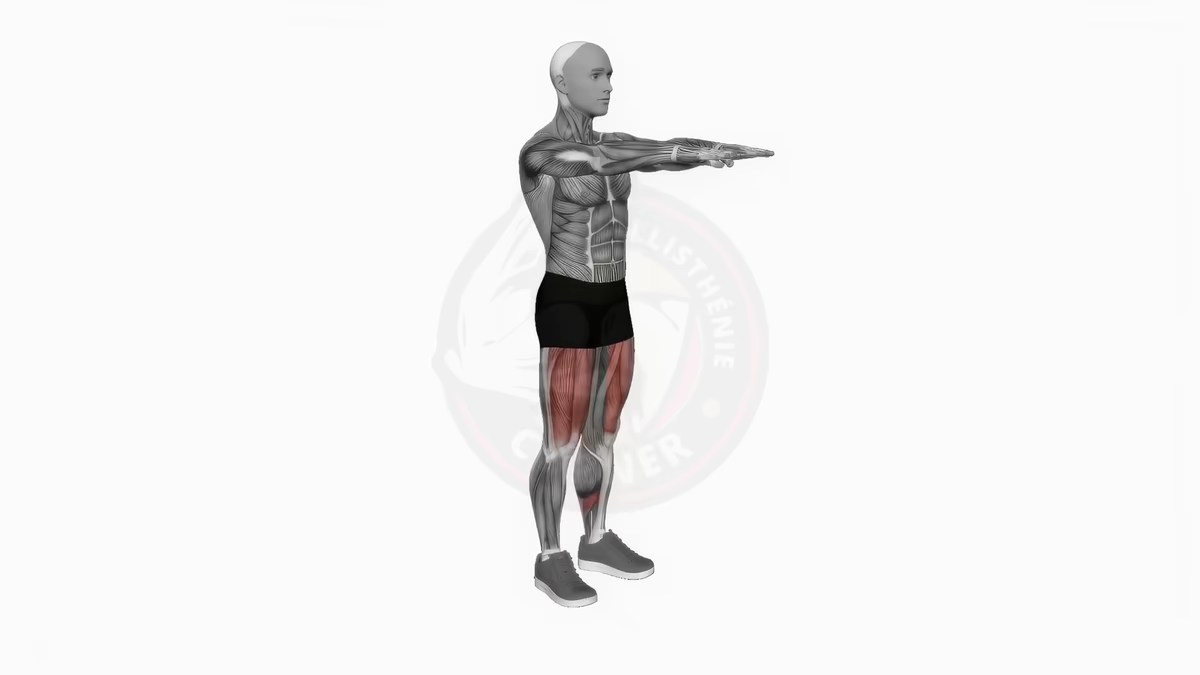
The nordic hamstring curl fits perfectly into a comprehensive leg strengthening program. Pair it with complementary exercises such as air squats, lunges, goblet squats, or deadlifts. For balanced development, alternate sessions targeting the hamstrings with those focused on quads and glutes.
Session placement: perform nordic curls early in your workout when your nervous system is fresh. The eccentric demand is high, and fatigue significantly increases injury risk on this exercise.
Performance and injury prevention benefits
Beyond raw muscle strengthening, the nordic hamstring curl delivers concrete advantages for sports performance and injury prevention.
Athletic performance
Regular integration of the nordic curl can have a significant impact on athletic performance. Athletes in sports involving sprints, rapid direction changes, or jumps benefit most from this exercise.
Football players who include the nordic curl in their physical preparation have shown improved sprint speed and reduced hamstring injury rates. The same applies to basketball, track and field, and any sport with high-speed running demands.
Injury prevention and rehabilitation
The nordic hamstring curl plays a crucial role in preventing hamstring injuries, one of the most common soft-tissue injuries in athletes. Research has demonstrated that regular inclusion of this exercise in a training program can reduce hamstring injury risk by up to 51%.
The nordic curl is also frequently used in rehabilitation protocols following a hamstring injury, allowing a progressive and safe return to athletic activity.
Common mistakes to avoid
- Bending at the hips: the most common error. If your hips flex during the descent, you shift work away from the hamstrings and into the hip flexors. Keep hips fully extended throughout.
- Rushing the descent: the value of this exercise is in the eccentric phase. Letting yourself fall too quickly removes the training stimulus. Fight gravity on every inch.
- Skipping warm-up: the hamstrings are particularly vulnerable to strain when cold. Always perform a thorough warm-up before nordic curls.
- Too much volume too soon: the eccentric load causes significant muscle damage. Start conservative and build gradually to avoid severe delayed-onset muscle soreness or injury.
For a complete posterior chain plan, see our hamstring exercises without equipment guide.
The nordic hamstring curl is a versatile and effective exercise for strengthening the hamstrings, improving athletic performance, and preventing injuries. Whether you’re an elite athlete or a recreational fitness enthusiast, the nordic curl deserves a prominent place in your exercise routine.