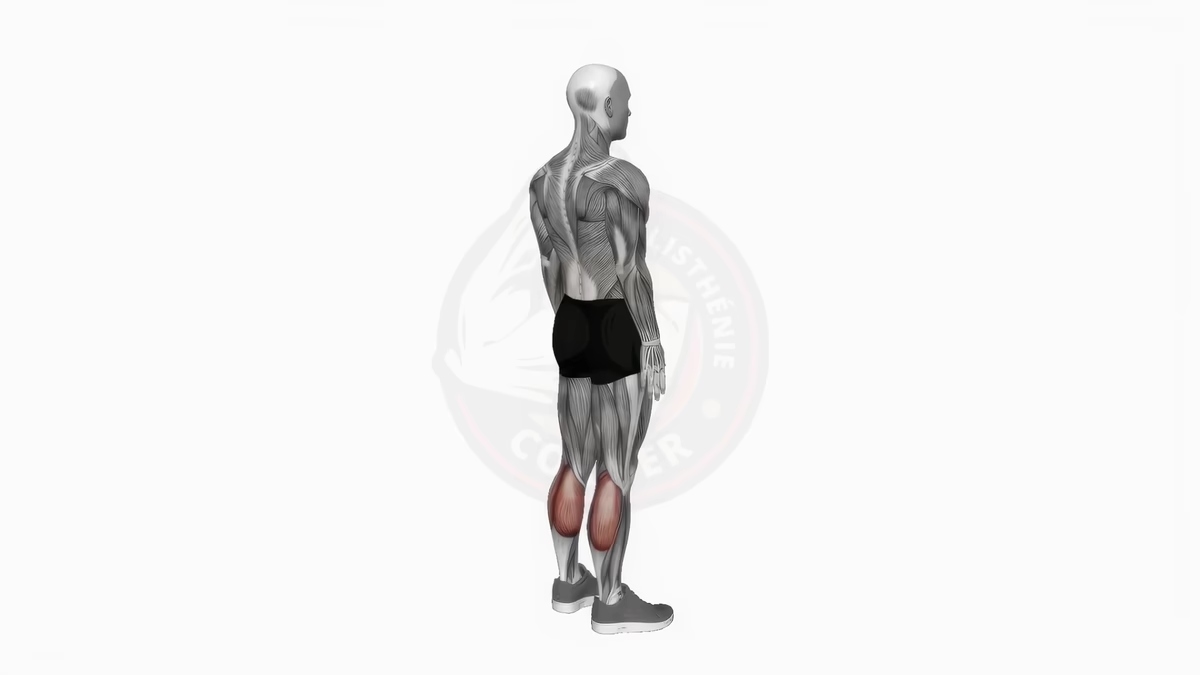
Calf raises are often overlooked in bodyweight training. Yet strong calves are essential for athletic performance and balanced leg development. Let’s break down the anatomy, technique, and programming you need to build powerful calves.
Calf anatomy and function in calisthenics
The gastrocnemius-soleus complex
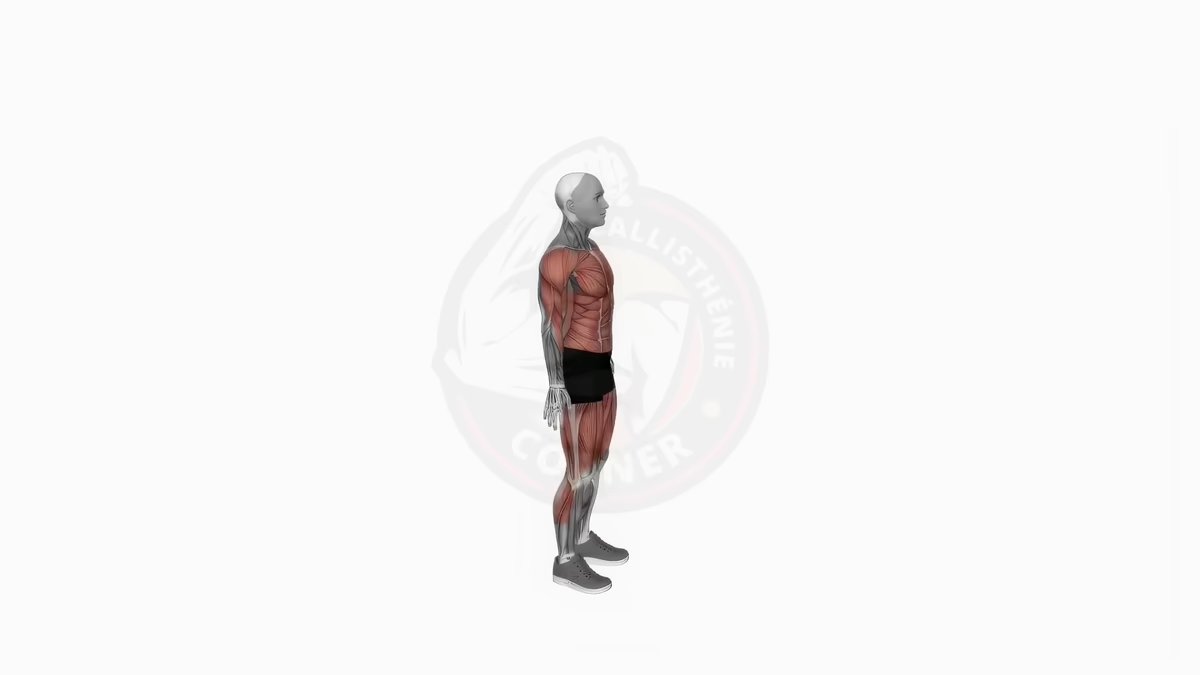
The calves consist primarily of two muscles: the gastrocnemius (the superficial two-headed muscle) and the soleus (the deeper muscle underneath). The gastrocnemius crosses two joints (knee and ankle), while the soleus only crosses the ankle.
This anatomical distinction is key for optimizing your training. The gastrocnemius is more active when your legs are straight, while the soleus works harder when your legs are bent. Training both positions ensures complete calf development.
Why calves matter for explosive movements
Powerful calves play a decisive role in vertical and horizontal propulsion. They form the last link in the kinetic chain during jumps, sprints, and direction changes.
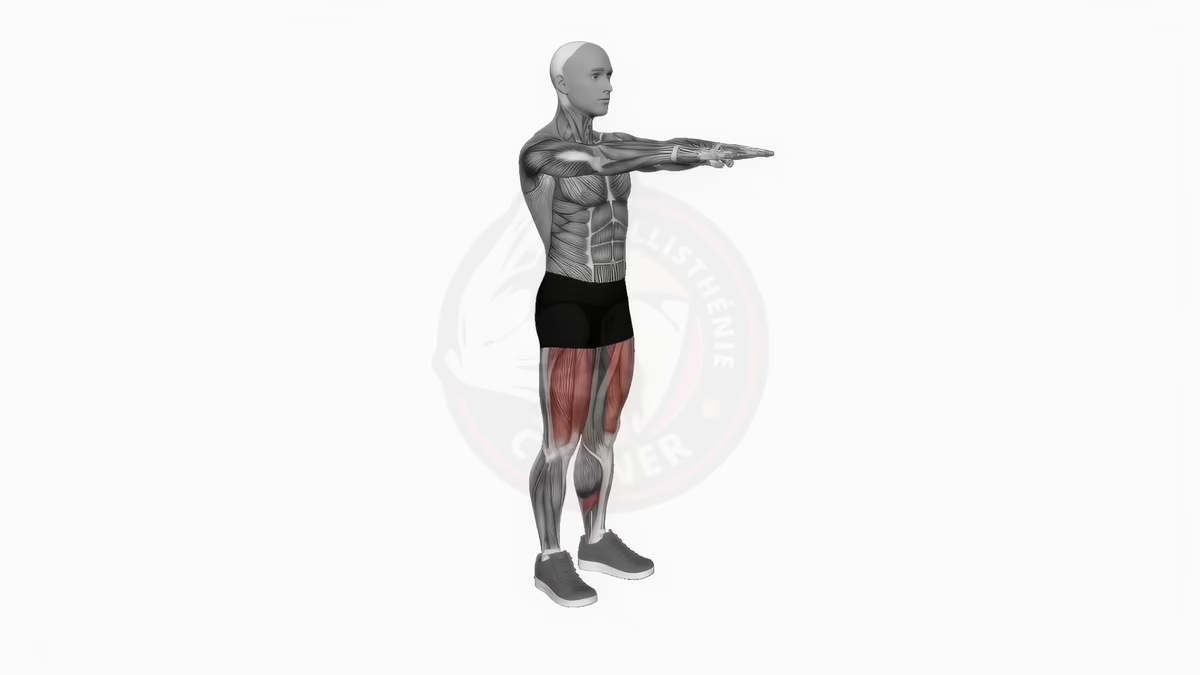
In calisthenics, strong calves improve your performance in air squats, jump squats, explosive muscle-ups, and any movement requiring ground-based impulse.
Connection to the posterior chain
The calves are an integral part of the posterior chain, working in synergy with the hamstrings and glutes. This connection is essential for maintaining optimal posture and preventing muscular imbalances.
Mastering calf raise technique
Starting position and body alignment
For perfect execution, stand with the balls of your feet on an elevated surface (step, stair edge, or a sturdy platform). Your heels should hang off the edge, allowing for maximum range of motion.
Keep your body upright, your core engaged, and your gaze forward. Knees stay slightly unlocked to protect the joint.
Optimal range of motion
Full range is crucial for optimal calf development. Lower slowly until you feel a deep stretch in the calves, then rise as high as possible onto the balls of your feet.
Hold the maximum contraction at the top for 1 to 2 seconds. This intensifies the muscular work and improves the mind-muscle connection.
Tempo and movement control
Use a controlled tempo: 3 seconds for the descent (eccentric phase), 1 second pause at the bottom, explosive rise, and 1 second contraction at the top. This 3-1-X-1 tempo maximizes time under tension.
Movement control is paramount. Avoid bouncing at the bottom of the movement, which reduces effectiveness and increases injury risk.
Breathing during the exercise
Synchronized breathing optimizes your performance. Inhale during the descent, exhale powerfully during the rise. This coordination improves trunk stability and movement efficiency.
Progressive variants for all levels
Bilateral bodyweight calf raises
Beginners start with two-legged raises on flat ground. Perform 3 sets of 15 to 20 repetitions to build a solid foundation.
Progress to an elevated surface to increase the range of motion. This natural progression prepares your calves for heavier loads.
Single-leg calf raises for intermediate athletes
Single-leg raises instantly double the working load. Start with wall assistance for balance, then progress to the unsupported version.
This variant effectively corrects muscular imbalances between legs and considerably improves proprioception, which is essential for mastering the pistol squat.
Weighted and plyometric raises for advanced athletes
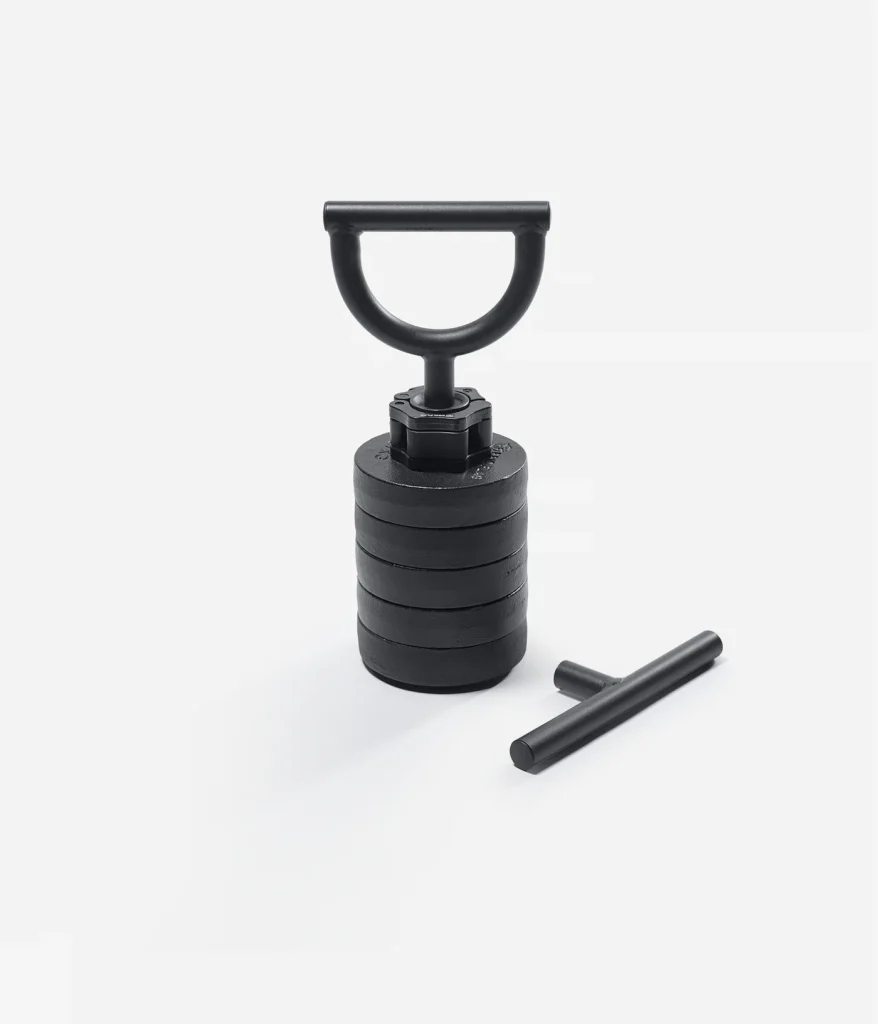
Advanced practitioners can add progressive load with a backpack, dumbbells, or a weighted vest. Gradual load increases stimulate muscular hypertrophy.
Plyometric calf raises (toe jumps) develop explosive power. Integrate them progressively with short sets of 6 to 8 repetitions. These are high-intensity and demand good baseline strength before attempting.
Resistance bands and unstable surfaces
Resistance bands add variable tension that peaks at the top of the movement. This variation stimulates the muscle fibers differently from constant loads.
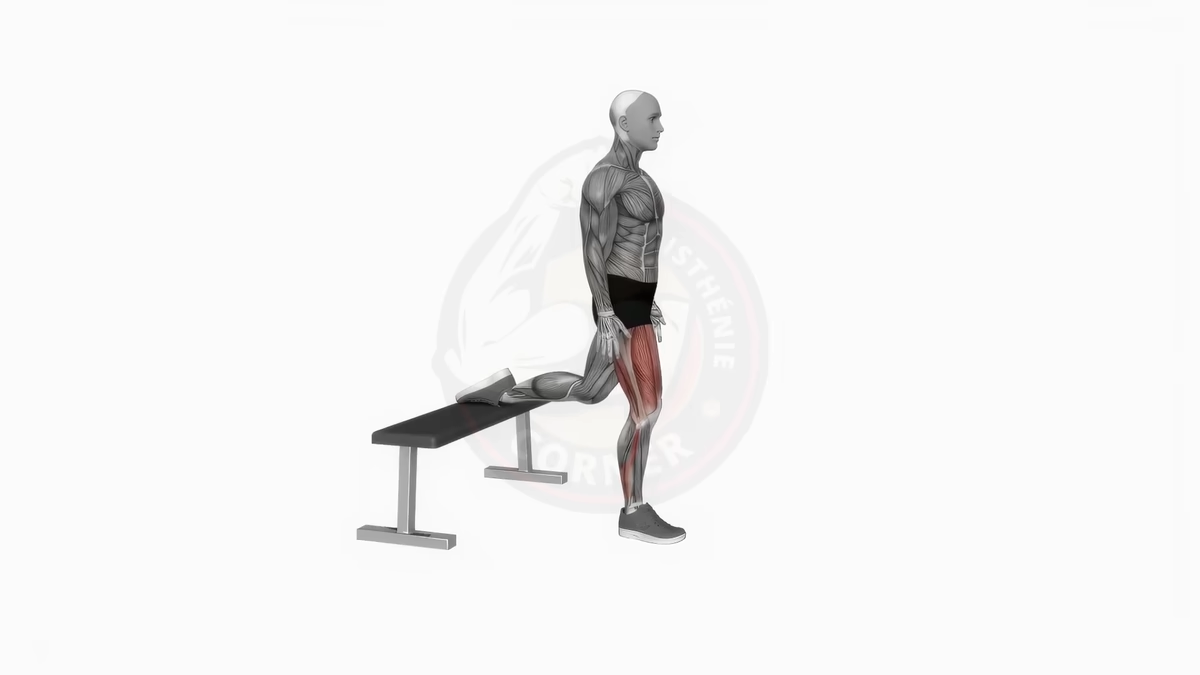
Unstable surfaces like a balance board challenge stabilization and strengthen the ankle stabilizer muscles. This carries over directly to balance-demanding exercises like lunges.
Smart programming for calf development
Training frequency and recovery
Calves are accustomed to high volume through daily walking, so they tolerate higher training frequency. Train them 2 to 3 times per week with at least 48 hours of recovery between intense sessions.
Active recovery through light stretching and mobility work promotes muscular regeneration and prevents stiffness. A specific ankle warm-up is essential before every calf session.
Sets, reps, and time under tension
For hypertrophy, use 4 to 5 sets of 12 to 15 repetitions with a controlled tempo. For muscular endurance, increase to 20 to 30 repetitions per set.
The optimal time under tension falls between 40 and 70 seconds per set. Adjust your tempo and rep count to stay within this range for the best growth stimulus.
Periodization for continuous gains
Alternate cycles of volume (high reps, moderate load) and intensity (fewer reps, heavy load) every 4 to 6 weeks.
This undulating periodization prevents plateaus and continuously stimulates muscular adaptation.
Benefits and athletic transfer
Improved vertical jump and explosiveness
Powerful calves significantly increase your vertical jump height. Research shows a direct correlation between calf strength and jump performance.
Regular calf training improves muscle contraction speed, which benefits all explosive lower body movements in your calisthenics practice.
Achilles tendon injury prevention
Progressive calf strengthening protects the Achilles tendon from repetitive trauma. A balanced ratio between concentric and eccentric strength reduces the risk of tendinopathy.
Specific eccentric training, with slow and controlled descents, particularly strengthens the tendon and improves its resilience. This is one of the most evidence-supported approaches to Achilles tendon health.
Impact on sprint and jump performance
Explosive calves directly improve the propulsion phase of sprinting. Each stride generates more power, increasing your top speed.
For calisthenics practitioners, this increased power transfers to every movement requiring dynamic ground contact. Combined with exercises like air squats and pistol squats, a complete lower body program delivers noticeable athletic improvements. For a complete calf training program, check our calf exercises at home guide.
If you’re new to calisthenics, start with the basics in our beginner guide and build your calf strength alongside your other foundational movements.