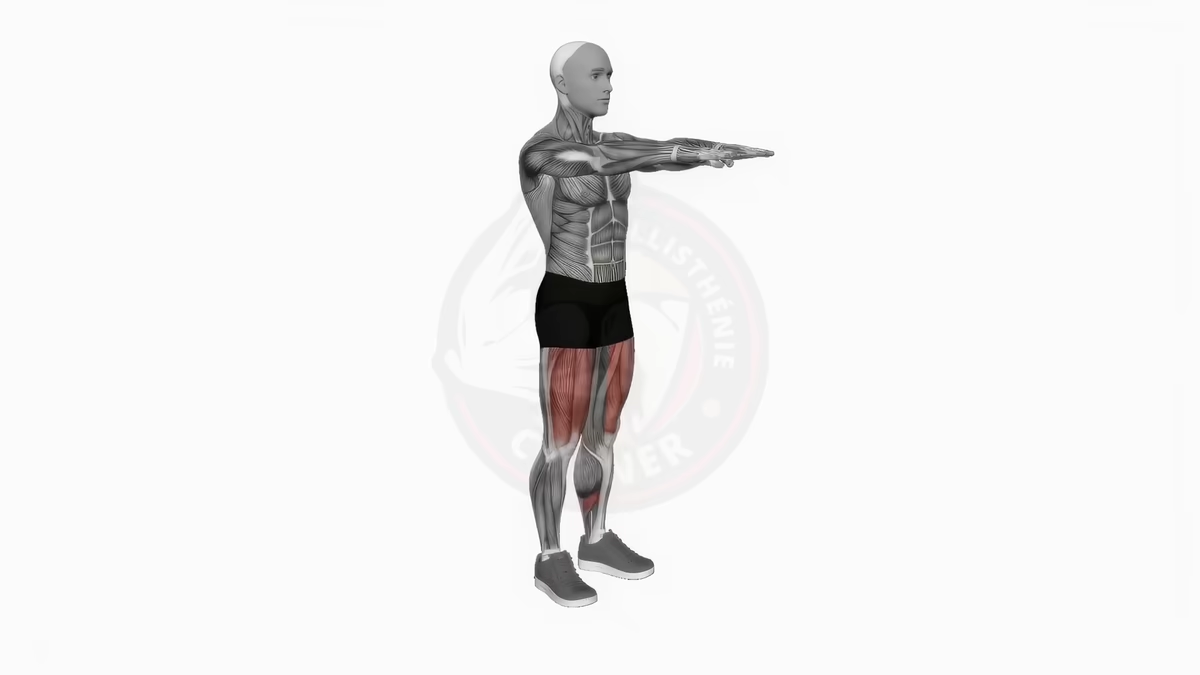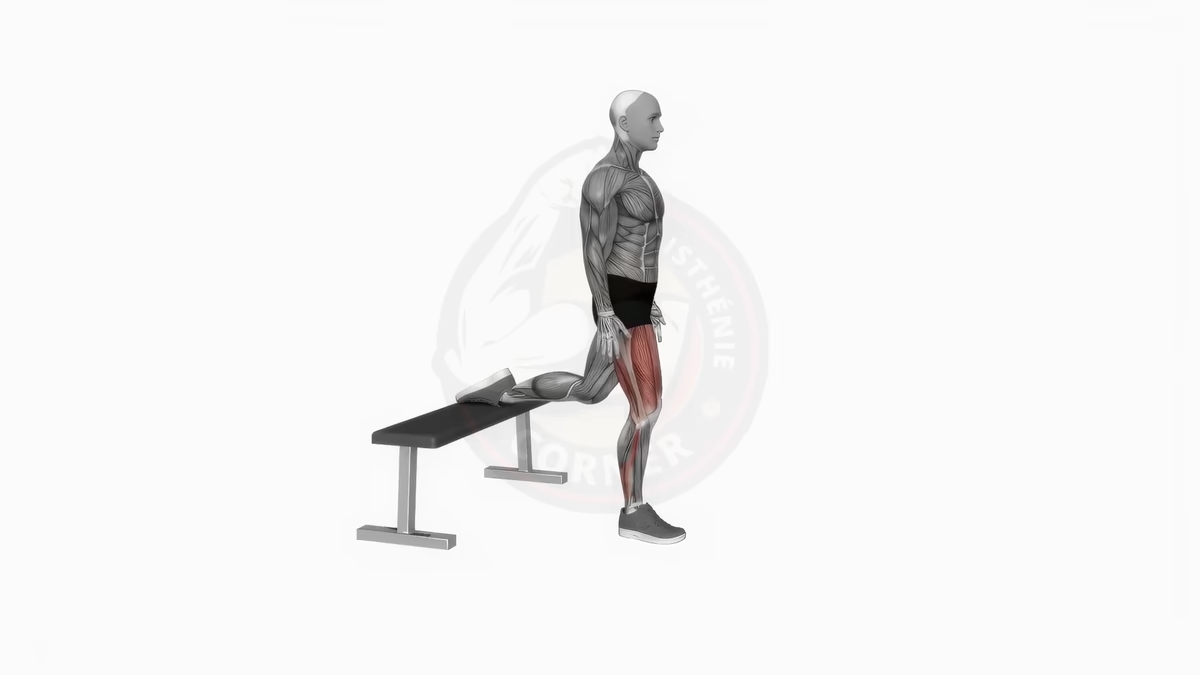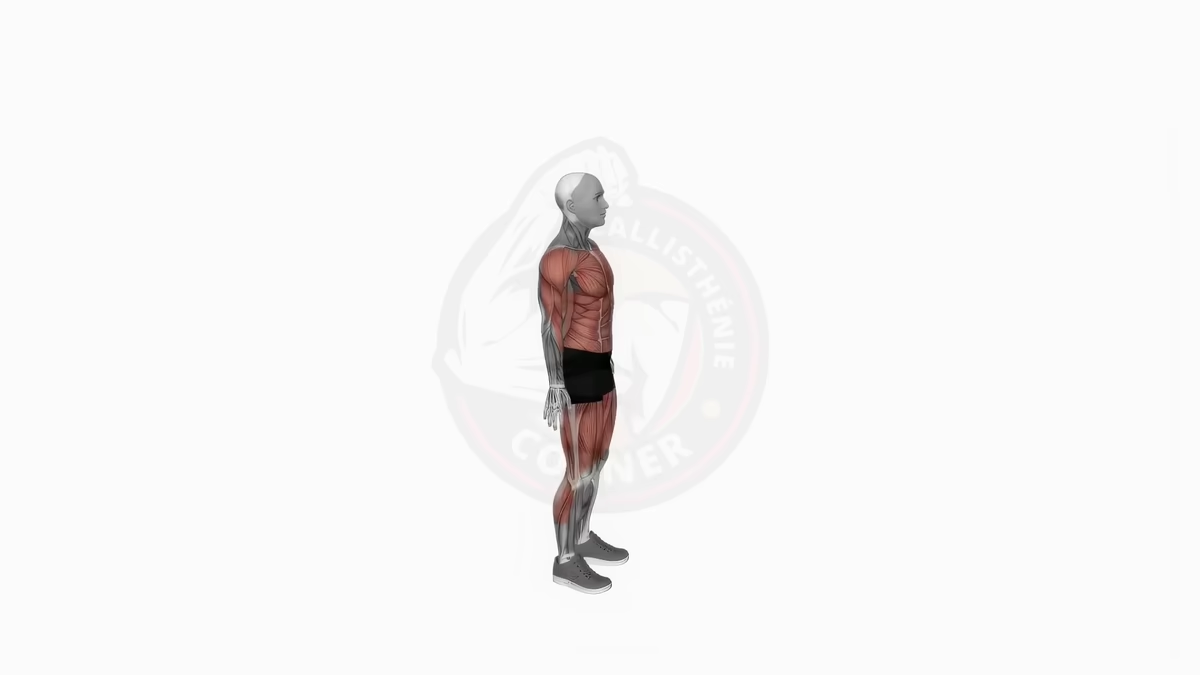
Benefits of the sissy squat for your quadriceps
The sissy squat is an essential exercise for anyone looking to effectively target their quadriceps. By isolating all four muscle heads (the rectus femoris, vastus medialis, vastus intermedius and vastus lateralis), this exercise provides focused strengthening of the thigh muscles. Be warned: this movement is not recommended for beginners in calisthenics.
Beyond building strength, the sissy squat improves knee stability, which is key for reducing injury risk. Compared to the traditional leg extension, this isolation exercise offers an interesting alternative, especially for those looking to diversify their training.
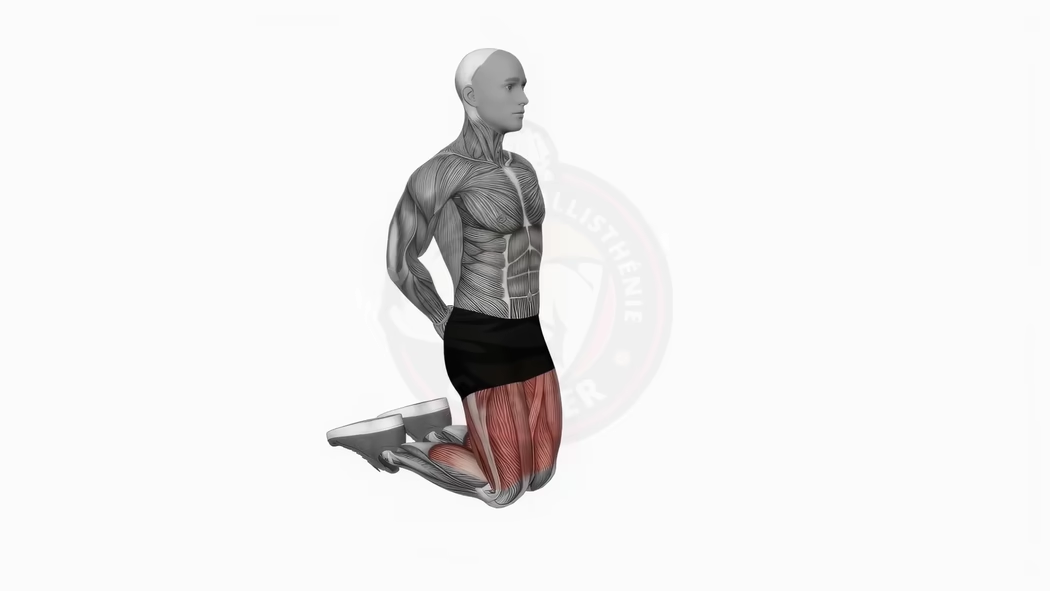
Performing the squat effectively requires solid technique. A strong physical base is necessary, because poor execution can lead to pain or injury. For beginners, a gentler variant, the kneeling sissy squat, is a good starting point.
This exercise can be performed without equipment, but using a sissy squat bench or a squat machine can optimize results. By integrating the sissy squat into your program, you can expect significant increases in thigh strength and muscle volume while also working on balance and coordination.
The sissy squat is a powerful movement that deserves a prime spot in your strength training routine. Whether you are a seasoned athlete or a recreational lifter, this exercise will help you sculpt your glutes and strengthen your thighs effectively. For a complementary exercise, look into the goblet squat.
Why the sissy squat is so effective for building thighs
The sissy squat is particularly effective for strengthening the thighs and developing quadriceps strength. By specifically targeting these muscles, it delivers deep work that translates into better muscular definition.
One of the major advantages of this exercise is its engagement of stabilizer muscles, particularly the abs and lower back. This promotes better balance and a more correct posture, both essential for avoiding injuries during other movements. To build your core strength, exercises like the hollow hold target these same stabilizers.
As an alternative to traditional squats, the sissy squat brings welcome variety to your training. It also contributes to improved knee stability, which is important for injury prevention, especially if you lift weights.
Accessible to all levels, the exercise can be done without equipment, but using a sissy squat bench or squat machine can increase the intensity. For those just starting out, a kneeling variant is available, offering a less demanding approach while still working effectively.
Techniques to optimize your sissy squat training
To get the most out of your sissy squat training, follow these key techniques that will maximize the effectiveness of this exercise.
Correct positioning is fundamental. Stand upright, grip a solid support, and maintain a straight back with your chest up throughout the entire movement. This prevents injuries and ensures smooth execution.
Grip a solid support to stabilize your balance. This lets you focus fully on the leg movement, effectively targeting the quadriceps.
Controlled execution is essential. Bend your knees slowly while keeping your heels elevated. Lean back gradually, maintaining a straight line from knees to shoulders. This technique targets the thigh muscles more precisely while preserving movement fluidity.
To increase training intensity, consider performing drop sets. This means progressively reducing the weight after a certain number of reps, which can make a real difference in your progression.
Engage your stabilizer muscles. Contract your abs and lower back to stabilize the trunk. This not only improves performance but also reduces injury risk.
For those starting out, using a sissy squat bench provides better support and increased safety. Begin with light or no weight to master the technique before increasing intensity.
Advanced techniques to improve your sissy squat
Vary foot position. By modifying the width of your stance, you can target different areas of the quadriceps and glutes, enriching your routine.
Focus on the eccentric phase. Slowing down the descent maximizes time under tension, which promotes muscle hypertrophy.
Add weight. Holding dumbbells or a plate against your chest can intensify the exercise and place greater demands on the thigh muscles.
Use drop sets for deeper fatigue. After performing a set number of reps with weight, progressively remove the load to continue working the muscles in depth.
When applied with proper technique, these methods will help you achieve significant muscle gains while keeping you safe.
Equipment comparison for safe sissy squat training
To practice the sissy squat safely, it helps to compare the different equipment options available, each offering specific advantages.
Sissy squat bench
- Stability: This bench offers solid support, guaranteeing good balance during the exercise. It lets you focus on the movement without worrying about losing balance.
- Adjustability: The ability to adjust height and pad positions adapts to each user’s body type, making the exercise more comfortable.
- Load capacity: Some models support up to 350 kg, ensuring safe use for different body sizes.
Sissy squat machine
- Customizable settings: Height and length are adjustable, allowing optimal comfort during execution.
- Adjustable footrest and seat: These features effectively target the quadriceps while providing adequate support.
No equipment
- Kneeling sissy squat: This variant is ideal for beginners, as it reduces joint stress while still allowing you to work the quadriceps without any equipment. Simply grip a doorframe or sturdy pole for balance.
Key equipment features
- Robust construction to prevent tipping during the exercise
- Non-slip feet for secure grip on the floor
- Adjustable height for correct body alignment
- Adjustable pads for calf and shin support, helping stabilize the legs and focus work on the quadriceps
Sissy squat vs. classic squat comparison
| Aspect | Sissy Squat | Classic Squat |
|---|---|---|
| Body position | Leaning back, heels raised | Upright torso, feet flat |
| Primary target | Quad isolation (all 4 heads) | Quads, glutes, hamstrings |
| Load type | Bodyweight or light added weight | Potentially heavy external load |
| Joint stress | Higher on knees | Distributed across hips, knees, ankles |
| Core demand | Moderate (stabilizers) | High (trunk bracing under load) |
| Beginner accessibility | Low (requires base strength) | Moderate (air squat is beginner-friendly) |
The sissy squat and the air squat complement each other well. Use the classic squat for overall lower body strength, and the sissy squat for targeted quad development. For a challenging unilateral progression, explore the pistol squat.