The lunge is one of the most effective lower-body exercises you can do with your bodyweight. Unlike the squat, which works both legs simultaneously, the lunge is unilateral: it trains one leg at a time. This forces each leg to carry its own load, exposing and correcting strength imbalances that bilateral exercises can hide.
Why you should do lunges
Lunges recruit the quads, glutes, and hamstrings while placing significantly less stress on the spine compared to heavy squats. The movement mimics real-life actions: walking, running, climbing stairs, stepping over obstacles. Every step you take is essentially a mini-lunge.
The unilateral nature of the exercise also means your stabilizer muscles are working constantly. Your core, hip stabilizers, and ankles must fire throughout every rep to keep you balanced. This makes lunges both a strength exercise and a balance drill.
For beginners starting calisthenics, lunges are a natural complement to squats: they build the single-leg strength and stability that bilateral exercises alone cannot develop.
Muscles worked during lunges
Primary movers:
- Quadriceps: the main motor of the lunge. They control the descent and power the ascent, especially with a shorter step.
- Glutes (gluteus maximus): activated strongly during the push-up phase, particularly with a longer step length.
- Hamstrings: stabilize the knee joint and assist hip extension during the ascent.
Stabilizers:
- Calves: maintain balance throughout the movement.
- Core (abs and lower back): keep the trunk upright and stable.
- Hip abductors and adductors: prevent the knee from collapsing inward or drifting outward.
How step length changes muscle emphasis
The distance you step forward directly shifts where you feel the work:
| Step length | Primary target | Torso position |
|---|---|---|
| Short (60-70 cm) | Quadriceps | Upright torso |
| Long (80-100 cm) | Glutes and hamstrings | Slight forward lean |
Short step with upright torso = quad dominant. Long step with slight lean = glute and hamstring dominant. Adjust based on your training goal.
Prerequisites
Before adding lunges to your routine, make sure you can:
- Perform 20 clean bodyweight squats with full depth and no knee collapse.
- Hold a single-leg balance for 30 seconds per side without losing stability.
- Hold a 45-second plank with a flat back.
- Move through the pattern with no knee pain.
If any prerequisite is missing, address it first. The wall sit and glute bridge are excellent exercises to build the baseline strength required for lunges.
Proper lunge technique
Starting position
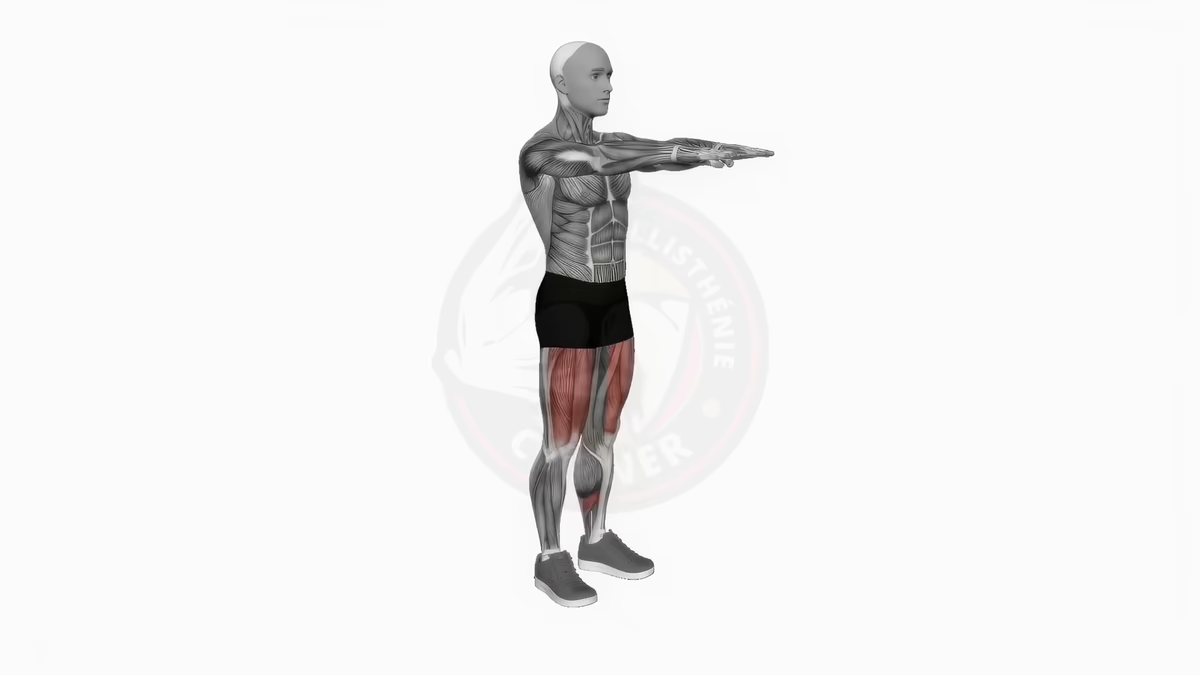
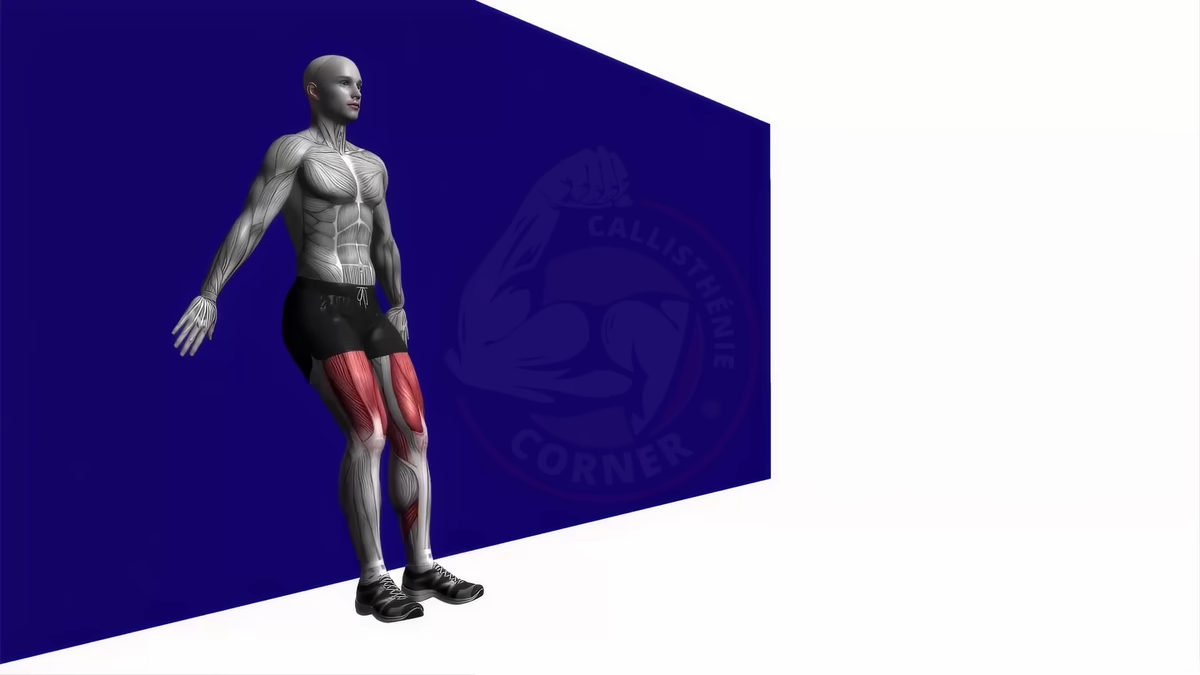
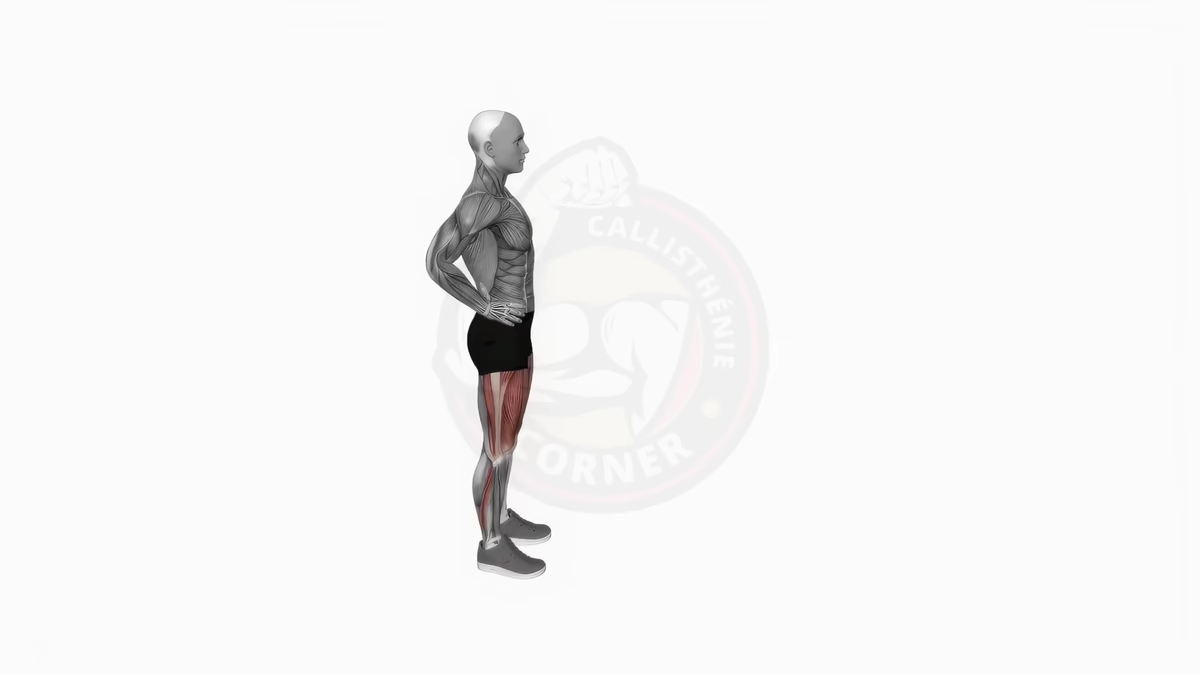
Stand tall with feet hip-width apart. Shoulders back, chest open, eyes forward. Arms at your sides or hands on your hips.
Step and descend
1. Step forward approximately 70 to 90 cm. Place the rear foot on the ball of the foot, heel lifted.
2. Descend vertically by bending both knees simultaneously. Your front thigh should reach parallel to the floor. Your rear knee should come within 2 to 3 cm of the floor without touching it.
3. Distribute your weight with approximately 70 to 80 percent on the front leg. The rear leg provides balance, not propulsion.
Ascend
Push through the heel of your front foot to return to the starting position. Drive upward, not forward. The movement should be vertical.
Breathing
Use a 2-1-1 tempo: two seconds to descend, one-second pause at the bottom, one second to push back up. Inhale on the descent, exhale on the ascent.
Critical technique points
- Front knee aligned with toes: the knee should track over the second and third toe. Never let it drift inward.
- Back straight: maintain a neutral spine throughout. No rounding, no excessive arching.
- Vertical movement: you are going down and up, not forward and back. Think elevator, not escalator.
- Weight on the heel: push through the heel of the front foot to maximize glute and quad activation.
Common mistakes and corrections
Knee shooting past toes: your step is too short or you are leaning forward excessively. Take a slightly longer step and keep your torso upright.
Knee collapsing inward (valgus): weak hip abductors or poor motor control. Focus on pushing the knee out over the toe. Resistance bands around the knees during warm-up sets can help train this pattern.
Leaning or arching the back: weak core or lack of awareness. Brace your abs before each rep as if someone is about to push you. A strong hollow hold practice transfers directly to lunge stability.
Weight on the toes: you are not sitting back into the lunge. Shift your weight to your front heel. You should be able to wiggle your toes at the bottom of the movement.
8 lunge variations
Bodyweight variations
1. Forward lunge (classic): step forward, descend, push back to start. The standard version described above.
2. Reverse lunge: step backward instead of forward. This reduces shear stress on the front knee, making it ideal for people with knee sensitivity. Same muscles, gentler on the joints.
3. Lateral lunge: step sideways with one leg, bending that knee while keeping the other leg straight. Targets the adductors and hip abductors in addition to the quads and glutes.
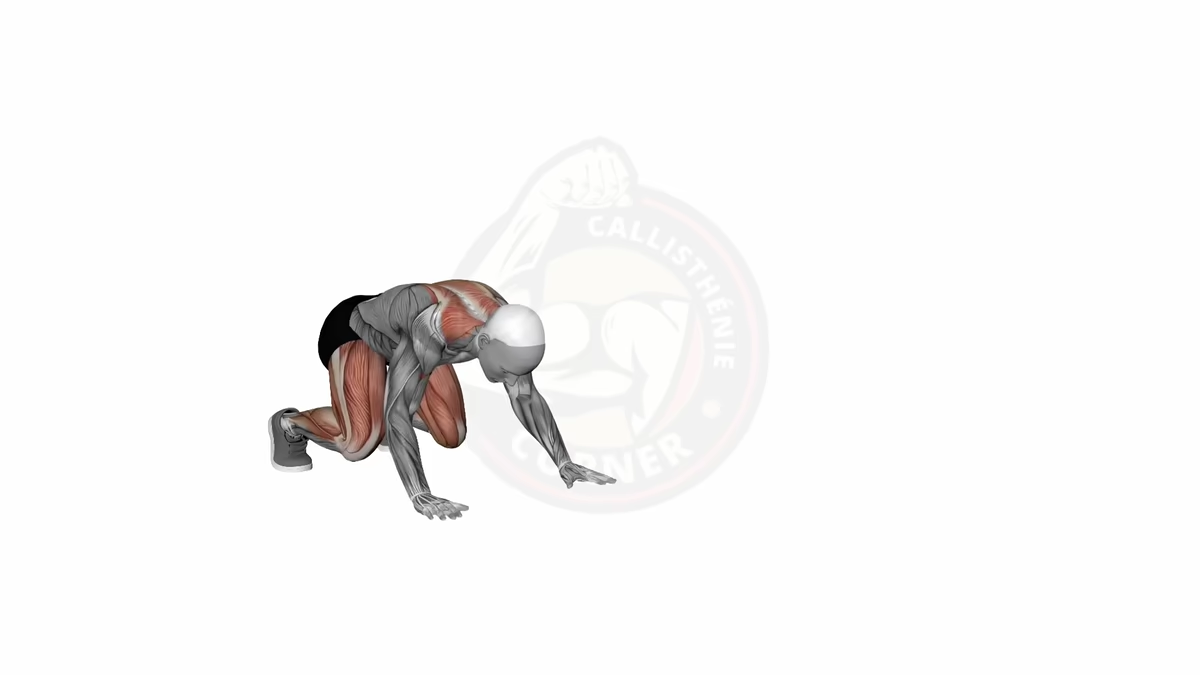
4. Walking lunge: perform forward lunges in succession, stepping forward with each rep instead of returning to the start position. Adds a cardiovascular component and mimics locomotion patterns.
5. Jumping lunge: perform a forward lunge, then explosively jump and switch legs mid-air, landing in a lunge on the opposite side. A plyometric variation that builds power and coordination.
Weighted variations
6. Dumbbell lunges: hold a dumbbell in each hand at your sides. Increases resistance without changing the movement pattern.
7. Kettlebell goblet lunge: hold a kettlebell at chest level in a goblet position. The front load forces a more upright torso and increases core demand.
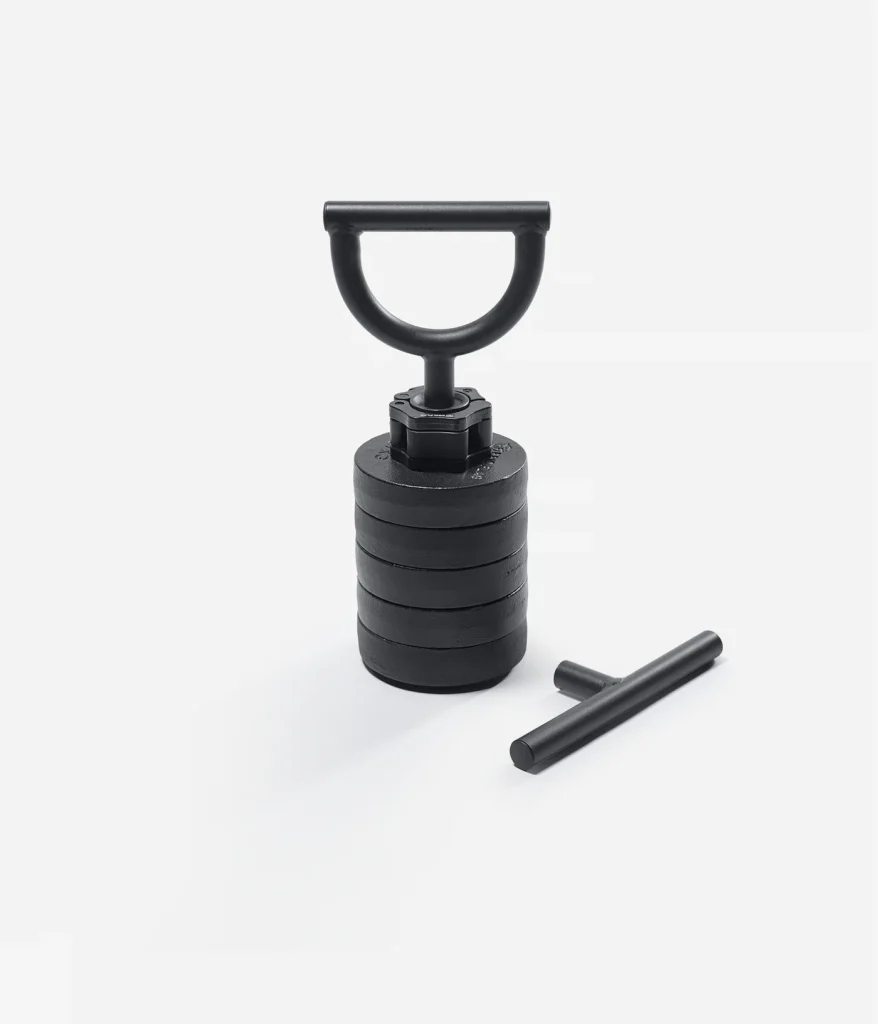
8. Barbell lunges: barbell across the upper back or in a front rack position. Maximum loading potential for advanced strength work.
Lunges vs. squats
Both exercises are essential, but they serve different purposes.
| Squat | Lunge | |
|---|---|---|
| Type | Bilateral | Unilateral |
| Best for | Maximum strength, overall mass | Imbalance correction, functional stability |
| Spinal load | Higher | Lower |
| Balance demand | Moderate | High |
| Sport transfer | General power | Running, cutting, single-leg actions |
The squat builds raw bilateral strength. The lunge develops the single-leg stability and balance that the squat cannot. A complete program includes both. They complement each other: the squat gives you force, the lunge teaches you how to apply it on one leg.
Frequently Asked Questions
Are lunges better than squats?
Lunges and squats serve different purposes and work best together. Squats build maximum bilateral strength and overall leg mass. Lunges develop single-leg stability, correct strength imbalances, and place less stress on the spine. A complete leg program includes both: squats for raw power, lunges for balance and unilateral strength.
How many lunges should I do per day?
Aim for 3 to 4 sets of 10 to 12 reps per leg, 2 to 3 times per week. Quality matters more than quantity: each rep should reach full depth with a controlled tempo and proper knee tracking. Once you can complete 4 sets of 12 per leg with perfect form, progress to reverse lunges, walking lunges, or jumping lunges rather than simply adding more reps.
Do lunges build glutes?
Yes, especially when performed with a longer step length and a slight forward lean. This shifts more of the load to the glutes and hamstrings. Single-leg variations like the walking lunge and Bulgarian split squat are particularly effective for glute development because each leg must handle the full load independently.
What comes after lunges
Once you can perform 12 clean lunges per leg with perfect form, you are ready for advanced progressions:
- Bulgarian split squat: rear foot elevated on a bench. Greater range of motion, increased load on the front leg. The natural next step after mastering the standard lunge.
- Jumping lunges: if you have not tried the plyometric variation yet, this is your explosive power builder.
- Pistol squat: the ultimate single-leg exercise. If lunges build single-leg stability, the pistol squat is the final exam. Requires exceptional strength, balance, and ankle mobility.
Lunges are one of the best exercises you can do for your legs, your balance, and your long-term joint health. Master the basic forward lunge, explore the variations, and build the single-leg strength that carries over to everything else you do.