
Skills
How to Master the Hollow Back Handstand Safely
The hollow back handstand fascinates with its grace and difficulty. This spectacular variation of the classic handstand demands meticulous preparation and a tailored progression. This is NOT for beginners in calisthenics.
Fundamentals of the hollow back handstand
The hollow back handstand is characterised by a pronounced arch of the back, creating an elegant curve from head to feet. Unlike the traditional handstand where the body forms a straight line, the hollow back involves a hip flexion and an extension of the upper body.
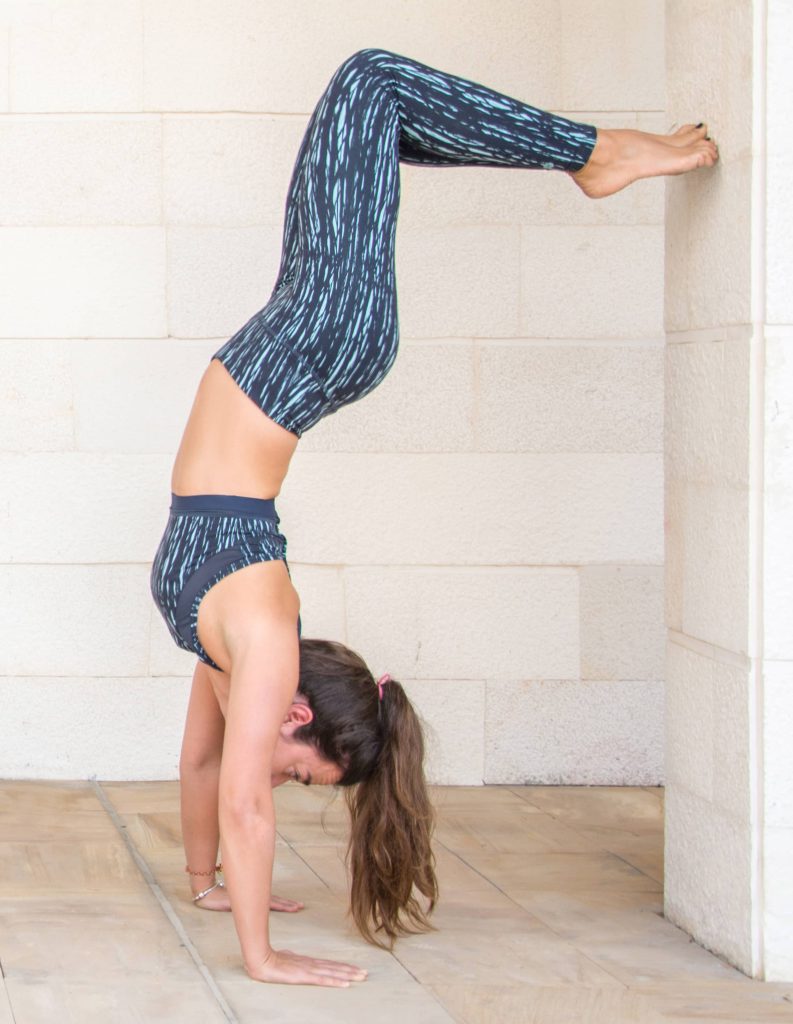
This posture intensely engages several muscle groups:
- Back muscles, particularly the spinal erectors
- Abdominals, to maintain stability
- Shoulders and arms, which support the entire bodyweight
- Hip flexors, to maintain the arched position
Shoulder mobility and back flexibility play a determining role in executing this figure. Insufficient preparation in these areas can lead to injuries or limit your progression.
The mobility needed for the hollow back
To perform a hollow back handstand safely, you need to develop exceptional shoulder and back mobility. Here are exercises that help improve this flexibility:
1. Shoulder external rotation stretch: Hold a towel behind your back, one hand on top and the other at the bottom. Pull gently to feel the stretch.
2. Floor bridge: Lying on your back, place your hands near your ears and push up to lift your body. Focus on opening the chest.
3. Downward dog with shoulder rotation: In a downward dog position, perform slow rotations of one shoulder at a time.
These exercises prepare the body to adopt the arched shape of the hollow back while strengthening the stabiliser muscles.
Physical preparation before attempting the hollow back
Before tackling the hollow back handstand, you need to establish a solid foundation. This preparation involves targeted muscle strengthening and balance work in the classic handstand.
Master the wall handstand
Hold the position for at least 1 minute with solid alignment. No banana shape, no arched back.
Strengthen your core
Practice exercises like planks and hollow body holds. Your core must be rock-solid before adding a back arch.
Develop shoulder strength
Perform handstand push-ups against the wall and controlled handstand descents. Your shoulders must handle your bodyweight with ease.
Improve your balance
Practice kick-ups and freestanding handstands away from the wall. You need confident balance before introducing the arch.
Work on back flexibility
Integrate exercises like the bridge and cobra into your routine. Gradually increase your range of motion over weeks.
This methodical progression prepares your body for the demands of the hollow back handstand, reducing injury risk and promoting steady improvement.
The crucial role of the core
A powerful core makes a real difference in performing and maintaining a hollow back handstand. The deep abdominal muscles, obliques and lumbar muscles work together to stabilise the spine in this demanding position.
Recommended exercises to strengthen the core:
- Hollow body holds: Lying on your back, slightly lift your arms, legs and shoulders off the floor. Hold the position with your lower back pressed into the ground.
- V-ups: Start lying flat and simultaneously bring your straight arms and legs upward to form a V shape.
- Dynamic planks: In a plank position, alternate between high plank and low plank while keeping your body aligned.
These exercises strengthen the deep trunk muscles, improving control and stability in the hollow back handstand.
5 steps to learn the hollow back handstand
Learning the hollow back handstand requires a progressive, methodical approach. Here are the key steps to master this impressive figure:
Wall handstand
Start by perfecting your classic wall handstand. Make sure you can hold it steadily for at least 30 seconds with proper alignment.
Wall arch
Get into a handstand facing the wall. Slightly lift your feet off the wall and begin to arch your back. Keep your arms straight and push into the floor.
Assisted hollow back
Ask a partner to support your legs while you work on the back arch in the handstand. Focus on opening the chest and extending the shoulders.
Wall hollow back
Position yourself with your back to the wall in a handstand. Use the wall as support for your feet while you develop the strength and control needed to maintain the arched position.
Free hollow back
Once you feel comfortable with the previous steps, try the hollow back without support. Start with short holds and progressively increase the duration.
Each step demands patience and regular practice. Do not hesitate to return to previous steps if needed to consolidate your progress.
Wall technique for safe progression
The wall is a valuable ally in learning the hollow back handstand. It provides a support that lets you work on the form and strength needed in complete safety.
Here is how to use the wall effectively:
- Handstand facing the wall: Get into a handstand facing the wall, feet slightly off the surface. Begin to gently arch your back while pushing your chest forward.
- Controlled slides: From the previous position, let your feet slide slowly down the wall while maintaining the arch. Then return to the top under control.
- Hollow back with back to wall: Position yourself with your back to the wall in a handstand. Use your feet as a contact point for stability while you work on opening the body.
- Progressive lift-offs: From the back-to-wall position, try to briefly lift your feet off. Gradually increase the duration of these lift-offs.
These wall exercises develop the strength, proprioception and confidence needed to perform a hollow back handstand safely.
Common mistakes in the hollow back handstand
Even experienced practitioners can make errors when executing the hollow back handstand. Identifying and correcting these mistakes is essential for safe progression.
- 1. Lumbar overcompensation: Avoid arching the lower back too much. Focus on opening the chest and extending the shoulders instead.
- 2. Bent elbows: Keep your arms straight and actively push into the floor to maintain stability.
- 3. Poor head position: Avoid dropping your head backward. Keep your gaze between your hands for better alignment.
- 4. Lack of core engagement: Constantly activate your abdominals to maintain control and prevent excessive arching.
- 5. Collapsed shoulders: Actively push the floor away from you and keep the shoulders engaged for better stability.
How to correct excessive arching
An excessive arch in the hollow back handstand can cause unnecessary lower back tension and compromise the stability of the posture. Here is how to correct this common problem:
- Targeted strengthening: Work specifically on the deep abdominals and lumbar muscles to better control the back curve.
- Visualisation: Imagine pulling your navel towards your spine, even in the inverted position. This mental image helps engage the core correctly.
- Proprioception exercises: Practice floor exercises like cat-cow to improve your awareness of spinal position.
- Progressive adjustments: During training, start with a less pronounced arch and gradually increase the amplitude while maintaining control.
- Video feedback: Use recordings of your sessions to analyse your posture and make the necessary corrections.
Hollow back vs other handstand variations
The hollow back handstand stands apart from other handstand variations through its unique shape and specific demands. Understanding these differences helps you appreciate the complexity of this figure and orient your training.
- 1. Classic handstand: Straight body line, focus on vertical alignment. Less demanding in terms of back flexibility than the hollow back.
- 2. Mexican handstand: Similar to the hollow back, but with a more pronounced hip flexion. Demands even more lumbar flexibility.
- 3. One-arm handstand: Requires extreme balance and unilateral strength. Less emphasis on back flexibility than the hollow back.
- 4. Straddle handstand: Legs spread apart, which changes the weight distribution. Can serve as an intermediate step towards the hollow back.
The hollow back handstand stands out for its demands on shoulder mobility and back flexibility, while also requiring considerable core and arm strength.
The importance of breathing in the hollow back
Breathing plays a fundamental role in executing and maintaining the hollow back handstand. Controlled breathing improves stability, reduces tension and extends hold time.
Breathing techniques to master:
- Diaphragmatic breathing: Learn to breathe deeply using your diaphragm, even in the inverted position. This technique helps maintain core engagement.
- Rhythmic breathing: Establish a regular breathing rhythm during the hold. For example, inhale for 3 seconds and exhale for 3 seconds.
- Controlled exhale: When entering the position, a slow and controlled exhale can help deepen the back arch safely.
- Breathing and release: Use each exhale to release any unnecessary tension in the body, particularly in the neck and shoulders.
Integrate these breathing techniques into your daily hollow back handstand practice. You will notice a significant improvement in your control and endurance in this demanding posture.
Overcoming fear and building confidence
Fear is often a major obstacle in learning the hollow back handstand. Overcoming this apprehension requires a specific mental approach, just as important as physical preparation.
Strategies for building confidence:
- Positive visualisation: Picture yourself performing a perfect hollow back. This mental technique reinforces confidence and prepares the brain for executing the movement.
- Gradual progression: Start with exercises that build your confidence and progressively increase the difficulty. Each small success reinforces your assurance.
- Regular practice: Repetition reduces the anxiety linked to the unknown. Integrate elements of the hollow back into your daily routine.
- Safe environment: Use mats, work with a partner or a coach. A secure setting lets you push your limits calmly.
- Accepting failure: Consider falls as learning opportunities rather than failures. This mindset reduces pressure and promotes progress.
Integrating the hollow back into a training routine
Structuring your training
To progress effectively in the hollow back handstand, you need to integrate it wisely into your overall training program. A balanced approach guarantees steady progress while minimising overtraining risk.
- Frequency: Work specifically on the hollow back 2 to 3 times per week, alternating with other aspects of your calisthenics practice.
- Targeted warm-up: Start each session with shoulder and back mobility exercises.
- Technique work: Dedicate 15 to 20 minutes to hollow back specific exercises, following the progressive steps mentioned above.
- Complementary reinforcement: Include core and shoulder strengthening exercises to support your progression.
- Active recovery: End your sessions with gentle stretches and mobility exercises to promote recovery.
Recovery: the key to progression
Recovery plays a determining role in progression and injury prevention during intensive hollow back handstand practice.
- Post-workout stretching: Perform gentle stretches targeting the shoulders, back and wrists after each session.
- Self-massage: Use tools like massage balls or foam rollers to relieve muscle tension.
- Active rest: Alternate intensive training days with light activities like walking or gentle yoga.
- Proper nutrition: Ensure sufficient protein and nutrient intake to support muscle recovery.
- Quality sleep: Aim for 7 to 9 hours of sleep per night to allow optimal recovery.
Benefits of the hollow back handstand
Regular hollow back handstand practice brings numerous advantages that go beyond simple acrobatic performance. This complex figure positively influences several aspects of your physical and mental fitness.
- Global strengthening: The hollow back intensely engages the back, shoulder, arm and core muscles, contributing to complete muscular development.
- Improved flexibility: Regular practice increases shoulder mobility and back suppleness, beneficial for many daily activities.
- Proprioception development: This figure sharpens your sense of balance and body awareness, skills transferable to other disciplines.
- Mental reinforcement: Overcoming the challenges of learning the hollow back cultivates perseverance and self-confidence.
- Postural improvement: The control and alignment work required for the hollow back positively impacts your everyday posture.
Adapting the practice to your level
Learning the hollow back handstand requires a personalised approach, adapted to your current level and goals. A well-structured progression ensures steady, safe advances regardless of your starting point.
Beginners
- Focus on mastering the headstand and the classic handstand against a wall.
- Work on back flexibility and core strength with floor exercises.
- Practice assisted arches to familiarise yourself with the arched sensation.
Intermediate
- Introduce partner-assisted or wall hollow backs.
- Progressively increase hold time in the arched position.
- Integrate specific strengthening exercises for the shoulders and upper back.
Advanced
- Work on the fluidity of entries and exits from the hollow back.
- Experiment with different variations (straddle, single leg, etc.).
- Incorporate the hollow back into more complex sequences.
The hollow back handstand represents a stimulating challenge for any calisthenics or gymnastics practitioner. By following a progressive approach, staying attentive to your body and practising regularly, you can master this impressive figure safely. Remember that every journey is unique: celebrate your progress, however small, and keep in mind that patience and perseverance are your best allies.