Start here
Calisthenics for beginners: your action plan
No fluff. Just a clear roadmap from complete beginner to confident practitioner. Start here, follow the path.
Why calisthenics is perfect for beginners
Calisthenics is strength training with your bodyweight. No complicated machines, no expensive gym membership. Just you, your body, and your consistency.
Accessible, versatile, and efficient. Now let's talk about how to actually start.
How to navigate Calisthenics Corner
Find all our exercises with categories for each major muscle group in the menu under "Exercises". You'll find:
Before targeting specific areas, start with the basics!
The fundamental exercises
Master these three movements before moving to more complex variations. They build your strength base.
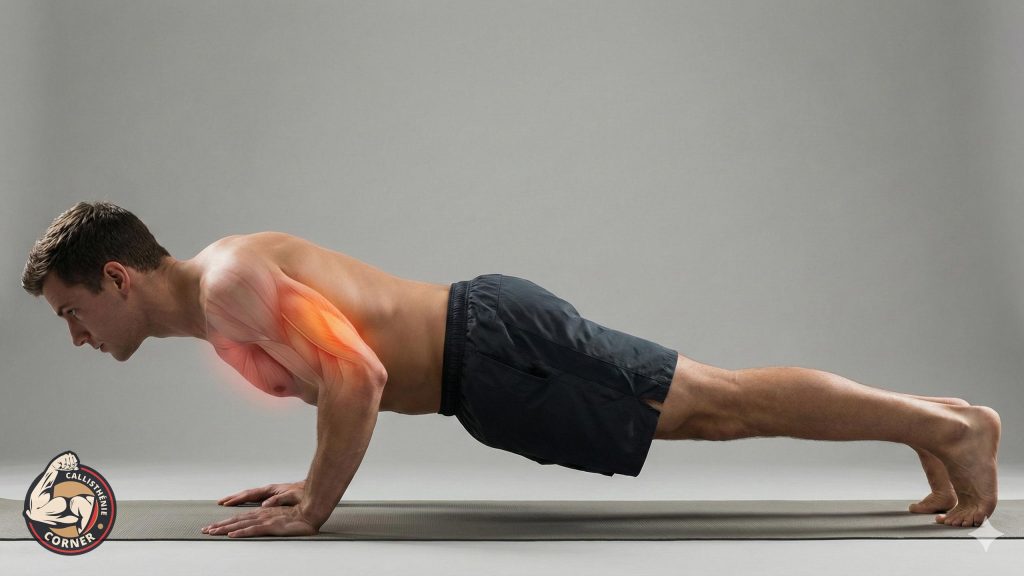
Push-ups
The push foundation. Chest, triceps, shoulders. Start on your knees if needed: same mechanics, just less load. Own the movement before chasing reps.
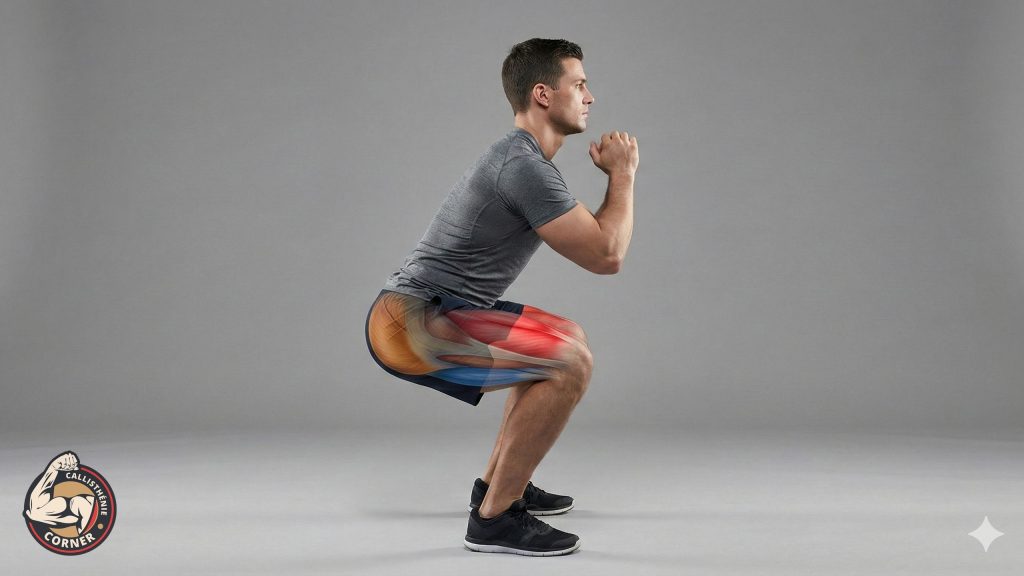
Squats
The leg foundation. Quads, glutes, hamstrings. Hips below knees at the bottom. Use a chair as a target behind you to learn depth without lower back compensation.
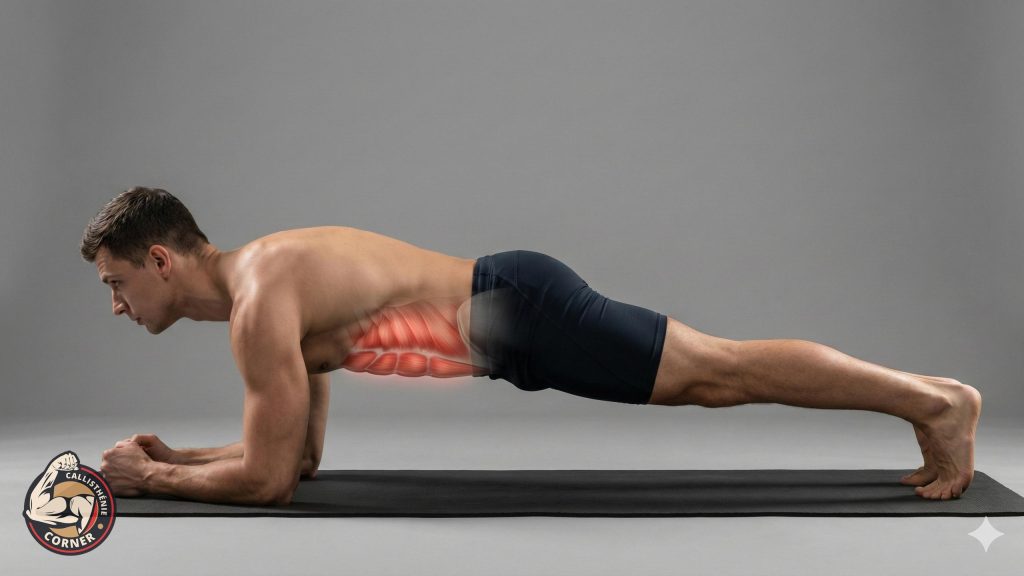
Plank
The core foundation. Full-body tension from head to heel. Knee plank is fine to start. The goal is to build the habit of full-body tension, not just hold time.
Once you've got these basics down, you can progress toward more targeted exercises by muscle group. Each category has pinned guides at the top to help you quickly find how to work a specific area.
Calisthenics skill moves! (Not really for beginners yet)
These are the iconic moves calisthenics is known for. ⚠️ Warning: they require a solid base, at least 6 months to 1 year of consistent training if you've never done sport before. Don't rush.
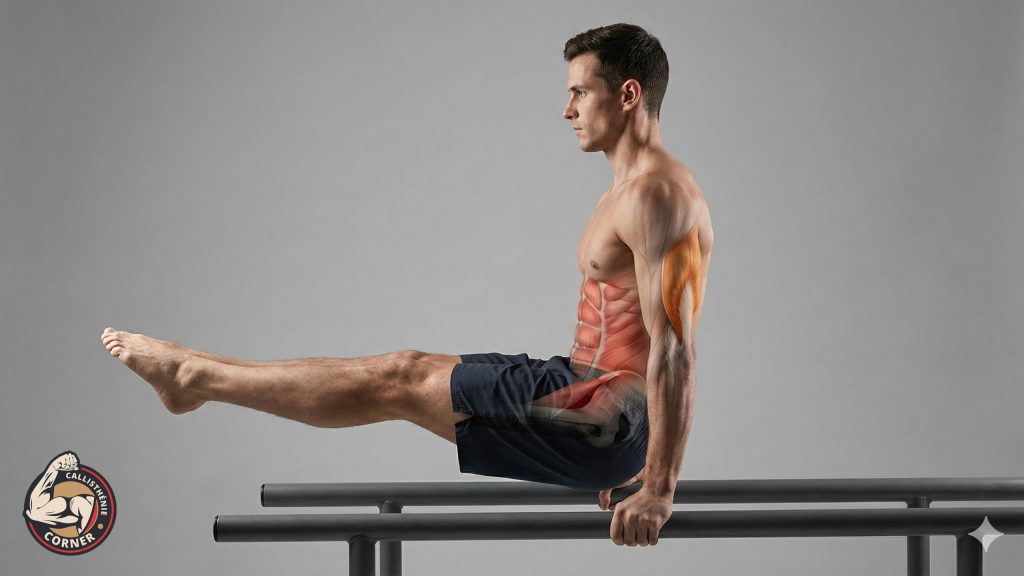
L-Sit
Body supported on straight arms, legs extended horizontally. Tests hip flexor strength, tricep lockout, and core compression simultaneously.
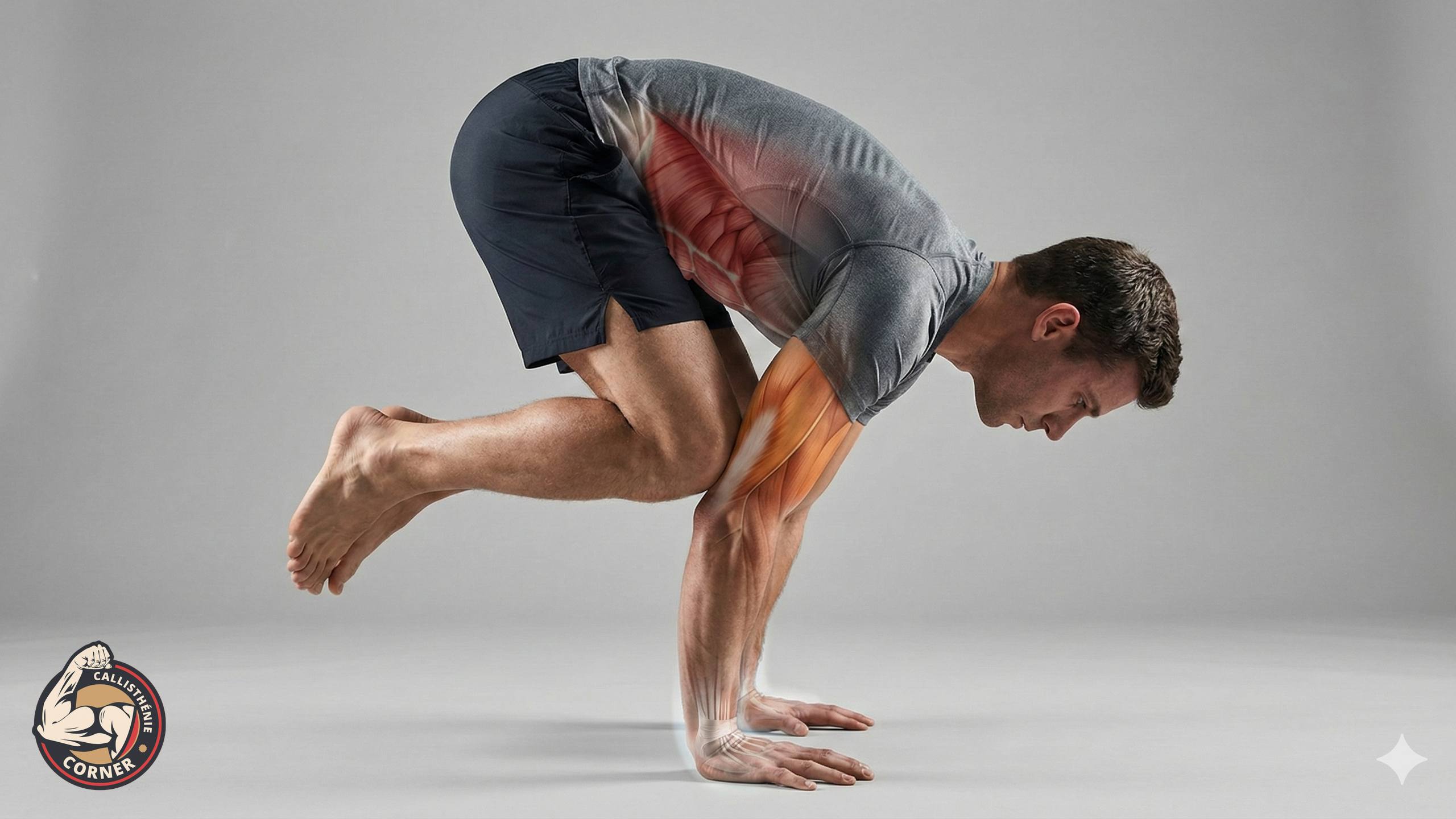
Frog Stand
First balance figure: knees resting on bent elbows. Builds wrist strength and the balance habits needed for handstands.
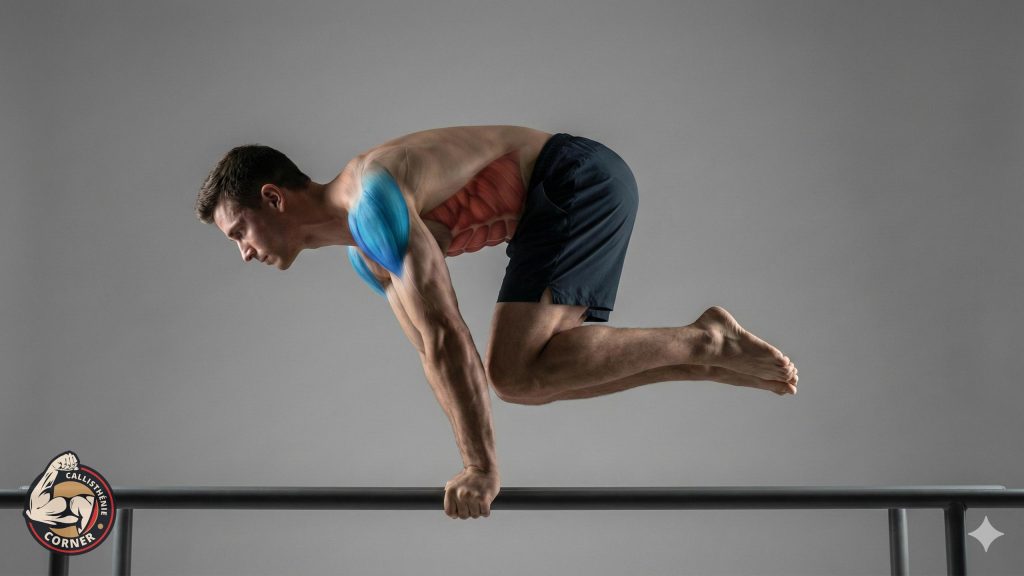
Tuck Planche
Body horizontal, arms locked, knees tucked. The entry point to the planche progression, one of calisthenics' most demanding feats of strength.
Take your time with these. Mastering them can take months or years. Enjoy the process!
See all skill moves →Recommended equipment (Optional)
You can progress well without any equipment at first. But some gear genuinely accelerates your progression. Here's what I recommend:
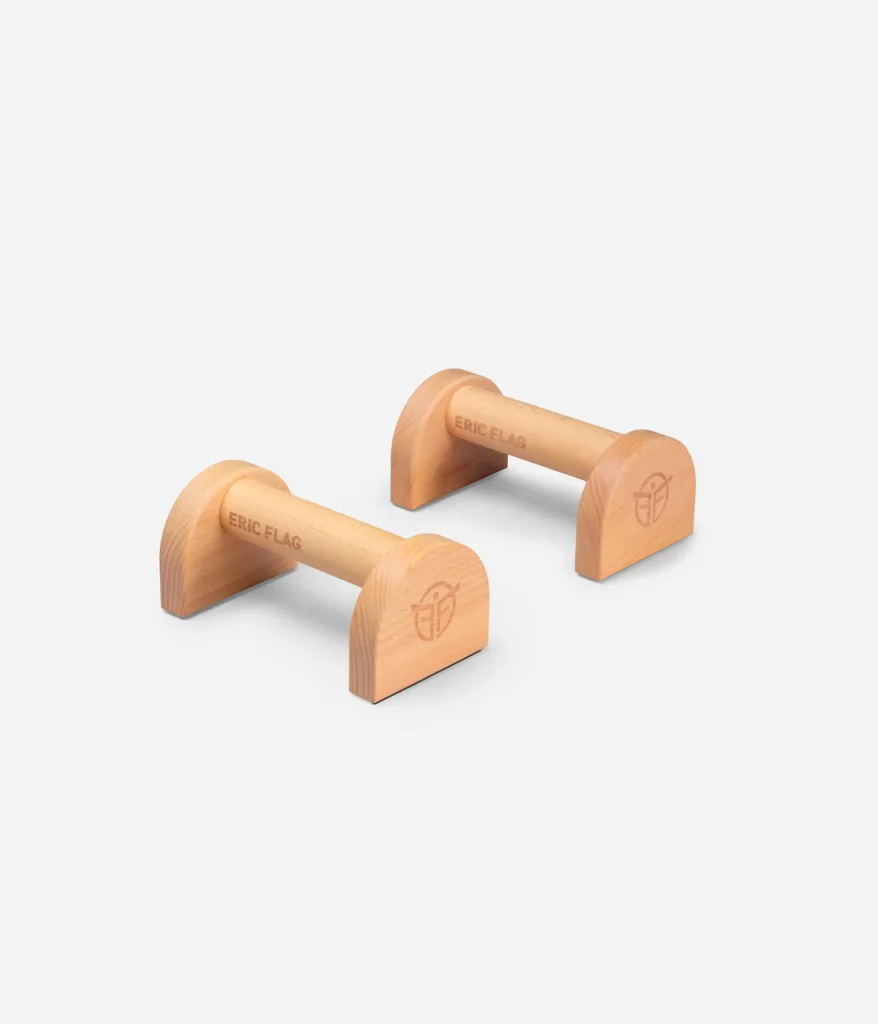
Parallettes
Unlocks L-sit, dips, frog stand, and eventually planche. Shifts wrist angle to reduce joint stress during floor exercises.
Learn more →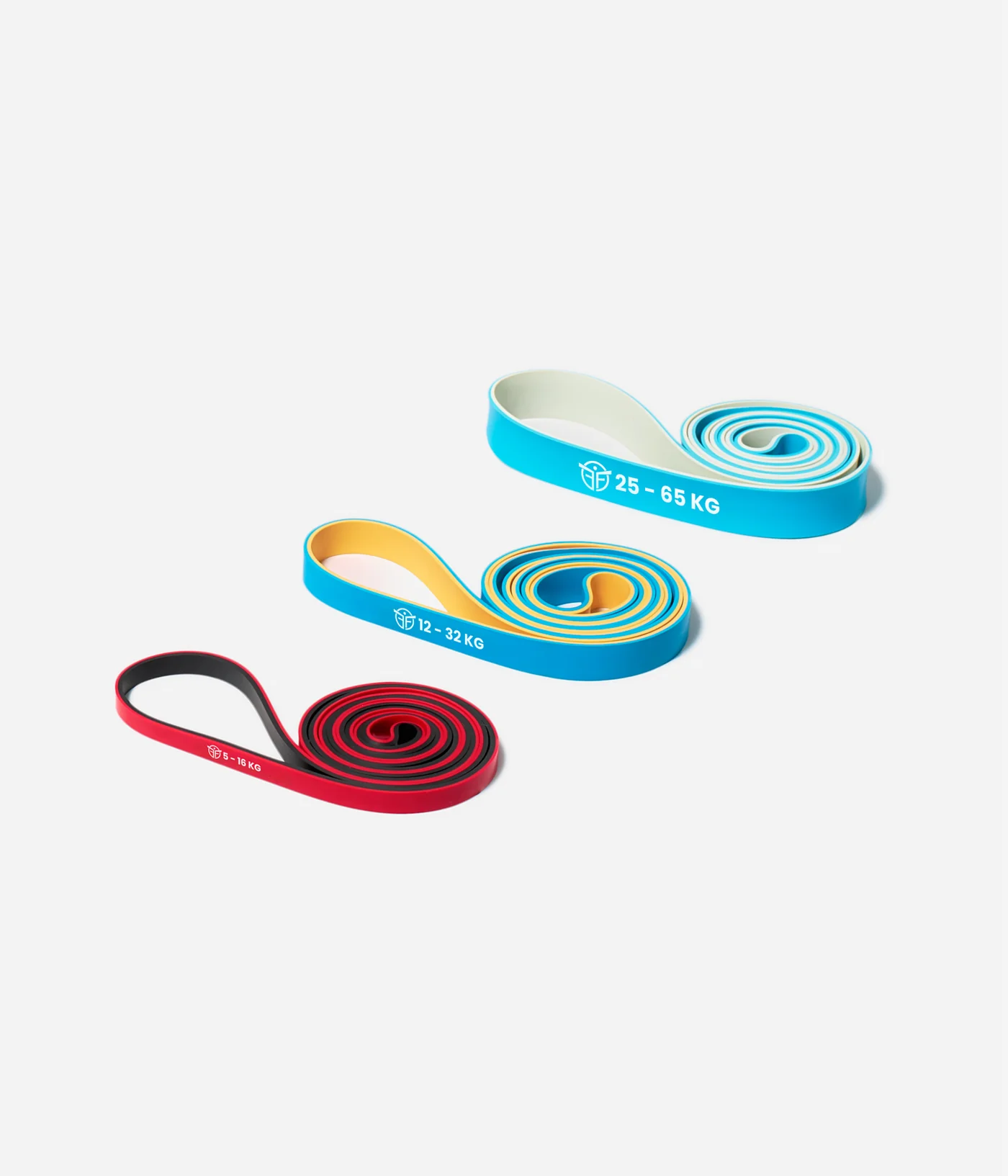
Resistance bands
Makes pull-ups and dips accessible from zero. Adds load to push-ups when they become too easy. Fills isolation gaps (biceps, shoulders).
Learn more →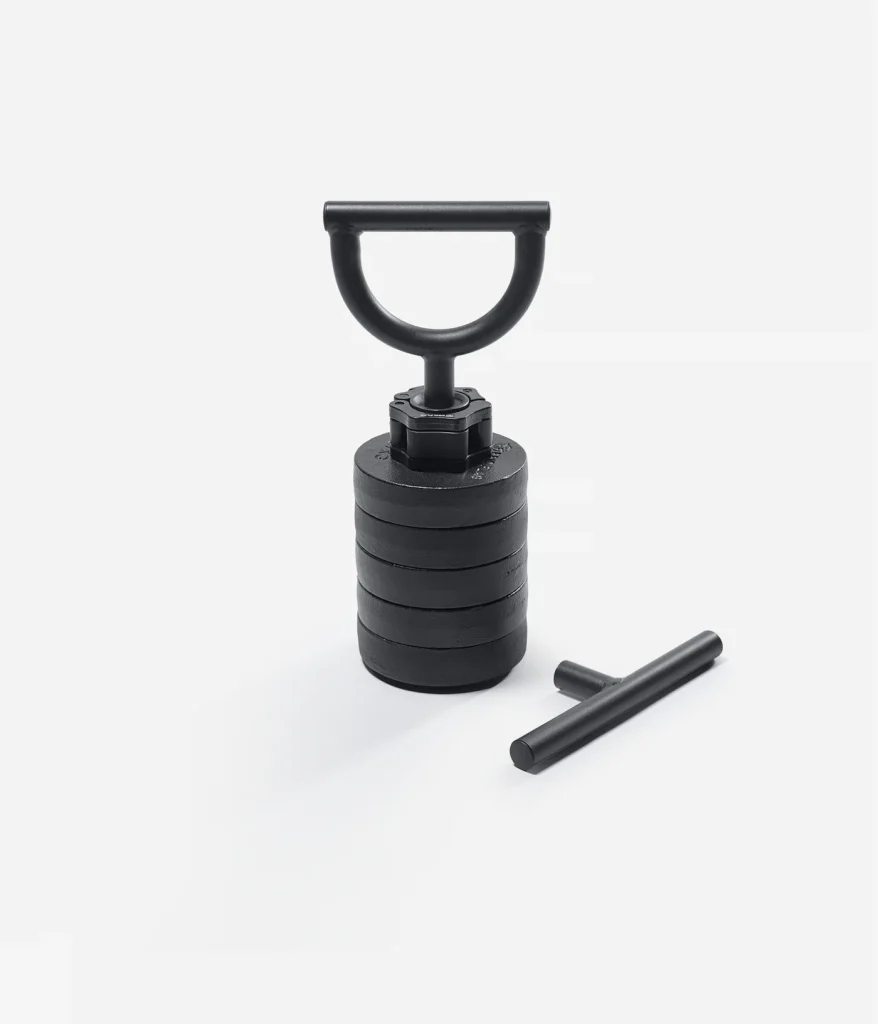
Kettlebell
Solves calisthenics' leg weakness. Swing, goblet squat, hip thrust: movements bodyweight alone can't replicate at the right intensity.
Learn more →Honestly, you don't need much more than that! I've created a dedicated equipment category, but if you're just starting, don't make it your priority. Start training first.
The fundamentals to master
Before you chase reps or moves, get these right. They determine whether you progress or get stuck.
- Never skip it (5–10 min)
- Jumping jacks, arm + hip rotations
- Drastically reduces injury risk
- Straight back, shoulders back, eyes forward
- Check your form in a mirror early on
- Good posture protects your back and maximizes every exercise
- Inhale before the movement, exhale during the effort
- Never hold your breath
- Consistent breathing = consistent tension
- Master basics for 2–3 months before moving to variants
- Perfect form > rep count
- Pain ≠ soreness: learn to tell the difference
- Min. 1 rest day between sessions
- 7–9h sleep + proper hydration
- Muscle is built during recovery, not during training
Your first calisthenics program
A simple, effective program to get started. 3 times per week (e.g. Monday / Wednesday / Friday) with one rest day between sessions.
- Jumping jacks: 30 seconds
- Arm & hip rotations: 10 each direction
- Wrist rotations: 30 seconds
- Elbow rotations: 30 seconds
- Light stretching: back, legs, shoulders
Ready for a structured 12-week progression? The full beginner program with 3 phases, exercise variants, and week-by-week targets is here:
See the 12-week program →Mistakes to avoid when starting
Learn from others' mistakes so you can progress faster.
Ready to start?
You now have everything you need to begin calisthenics on solid ground. Remember:
- Start with the fundamentals
- Be consistent (3× per week minimum)
- Progress step by step
- Listen to your body
Calisthenics is a marathon, not a sprint. Enjoy the journey, celebrate every small win, and above all, have fun with it.
Start the 12-week program →